Blog

  • Concrete foundations in the Cayman Islands: a guide for property owners

    Concrete foundations in the Cayman Islands: a guide for property owners

    Building Concrete Foundations in Cayman’s Challenging Environment: A Guide for Property Owners and Developers

    Concrete foundations are the literal bedrock of any construction project, yet they remain one of the most overlooked aspects of building planning in the Cayman Islands. Whether you’re constructing a new residential home, expanding a commercial property, or developing a multi-unit complex, the quality of your foundation directly determines the longevity, stability and safety of your entire structure. In our tropical Caribbean climate—characterized by high humidity, saltwater proximity, intense UV exposure and the ever-present threat of hurricane season—concrete foundations face unique stresses that demand specialized knowledge and proven techniques.

    Many property owners and developers underestimate the complexity of foundation work in the Cayman Islands. Poor foundation design or installation doesn’t just compromise structural integrity; it can lead to costly repairs, insurance complications, regulatory non-compliance and even project abandonment. The good news is that with the right planning, material selection and construction methodology, you can build foundations that withstand decades of Caribbean weather and perform reliably throughout their lifespan.

    This guide explores best practices for concrete foundation construction tailored to the Cayman Islands context, helping you make informed decisions that protect your investment and meet all local building regulations.

    What Concrete Foundations Are and Why They Matter in the Cayman Islands

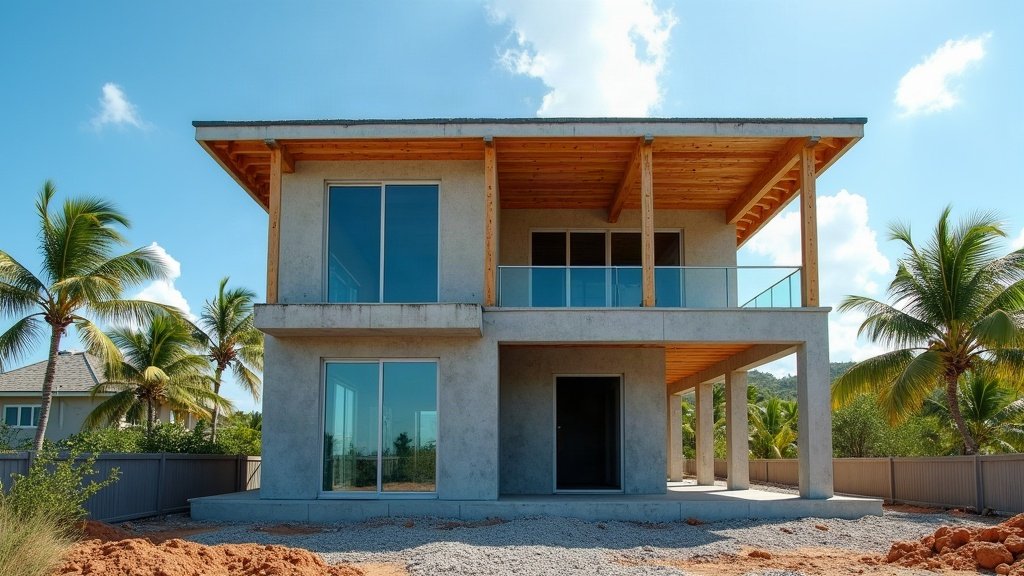
    A concrete foundation is the structural system that transfers the weight of your building safely into the ground below. It serves as the interface between your structure and the earth, distributing loads evenly and preventing settling, shifting or collapse. In the Cayman Islands, foundations must contend with several environmental factors that mainland construction rarely faces.

    Our islands’ limestone and coral-based geology, combined with high water tables and salt-laden air, creates an aggressive environment for concrete. Saltwater intrusion accelerates corrosion of reinforcement steel, while moisture penetration weakens concrete matrices over time. Hurricane-force winds and storm surge generate lateral pressures that demand foundations engineered for extreme loading. Additionally, the Cayman Islands Building Code and Planning Department requirements mandate specific design standards for foundations in our high-risk hurricane zone, making professional engineering and compliance non-negotiable.

    Whether your project sits near the coast or inland, a properly constructed foundation accounts for local soil conditions, water management, material durability and regulatory requirements specific to our jurisdiction.

    Key Benefits of Proper Concrete Foundation Construction

    • Structural Stability: A well-engineered foundation prevents differential settling, cracking and structural failure, ensuring your building remains safe and usable for decades.
    • Hurricane and Storm Resilience: Foundations designed for Cayman’s wind and water pressures keep your structure anchored during severe weather events.
    • Corrosion Protection: Using marine-grade concrete, proper waterproofing and reinforcement design extends foundation life in our corrosive salt-air environment.
    • Cost Savings Over Time: Investing upfront in quality foundation work prevents expensive remedial repairs, foundation underpinning and structural restoration later.
    • Regulatory Compliance: Meeting Cayman Islands Building Code standards ensures your project passes inspection, secures insurance coverage and maintains property value.
    • Enhanced Property Value: Buyers and tenants recognize the value of a solid, code-compliant foundation, supporting your asset’s marketability and resale potential.

    Best Practices and Standards for Foundation Construction in the Cayman Islands

    1. Conduct Professional Geotechnical Investigation: Before any foundation work begins, commission a soil and geological assessment. This identifies soil bearing capacity, water table depth, subsurface conditions and load-carrying potential specific to your site. This step is essential for designing an appropriate foundation type and depth.
    2. Engage a Licensed Structural Engineer: All foundation designs must be prepared by a professional engineer registered to practice in the Cayman Islands. Engineering drawings must clearly address hurricane loads, wind pressures and local building code requirements.
    3. Specify Marine-Grade Concrete and Reinforcement: Use concrete mixes with low water-to-cement ratios, air entrainment and supplementary cementitious materials to resist salt intrusion and moisture penetration. Select epoxy-coated or stainless steel reinforcement in marine environments.
    4. Implement Comprehensive Waterproofing: Install moisture barriers, drainage systems and sealants to prevent water ingress into foundation elements. Proper drainage around the perimeter is critical in Cayman’s high-humidity climate.
    5. Maintain Strict Quality Control During Installation: Concrete placement, curing and finishing must follow industry standards and professional oversight. Poor workmanship at the foundation stage cannot be corrected later.
    6. Ensure Proper Anchoring for Wind Resistance: Foundations must be designed with adequate embedment depth and anchor bolt specifications to transfer hurricane forces safely into the ground.

    Common Mistakes and How to Avoid Them

    • Skipping the Geotechnical Report: Proceeding without professional soil analysis often leads to undersized or inappropriately designed foundations. Always invest in a site investigation before engineering begins.
    • Using Standard Concrete in Marine Environments: Regular concrete degrades rapidly in salty, humid conditions. Specify high-performance, low-permeability concrete formulations explicitly suited to Caribbean coastal exposure.
    • Inadequate Reinforcement Corrosion Protection: Uncoated steel reinforcement will corrode in salt air, eventually compromising structural capacity. Use protected reinforcement or stainless alternatives, especially within 500 metres of the shoreline.
    • Poor Drainage and Moisture Management: Foundations that trap water invite deterioration and reduce lifespan. Ensure perimeter drainage, proper grading and below-grade waterproofing are installed and maintained.
    • Cutting Corners on Concrete Curing: Rushing the curing process weakens concrete strength and durability. Allow adequate time for proper hydration, especially in high-temperature Caribbean conditions.
    • Neglecting Inspection and Documentation: Failing to have foundations inspected and certified before backfill creates liability and compliance risks. Maintain full documentation of materials, testing and inspections.

    Verification Checklist for Your Foundation Project

    • Geotechnical investigation completed by a qualified professional, with findings documented and approved by your engineer.
    • Foundation design prepared by a Cayman Islands licensed structural engineer, incorporating local building code and hurricane design requirements.
    • Concrete mix design specified for marine or high-moisture exposure, with testing certificates confirming strength and durability specifications.
    • Reinforcement corrosion protection plan in place, including material type, coating specifications and placement verification.
    • Waterproofing and drainage systems inspected and approved before backfill and further construction proceeds.
    • All foundation inspection reports, material certifications and as-built documentation archived for future reference and insurance purposes.

    Applications and Use Cases in the Cayman Islands

    • Residential Developments: Single-family homes and residential complexes require foundations engineered for hurricane loads and salt-air durability, with proper moisture barriers to protect interior spaces.
    • Commercial and Retail Properties: Multi-story office buildings and shopping centres demand deeper investigations into soil capacity and sophisticated foundation systems capable of supporting heavy loads.
    • Hospitality and Resort Construction: Hotels and vacation properties near the coast face maximum salt exposure and wind pressures, requiring premium foundation materials and advanced waterproofing.
    • Industrial and Warehouse Facilities: Heavy equipment and storage structures need foundations designed for concentrated loads and long-term durability in our harsh environment.
    • Infrastructure and Government Projects: Public buildings and utilities must exceed standard requirements, incorporating resilience planning and extended service life expectations.

    How J&R Construction Approaches Foundation Excellence

    At J&R Construction Ltd., we understand that foundations are not areas for shortcuts or compromise. Our team brings decades of family-led expertise in navigating the unique challenges of building in the Cayman Islands. We work closely with licensed structural engineers, conduct thorough site investigations and specify materials and methods proven to perform in our tropical, hurricane-prone environment. From residential renovations to large-scale commercial projects, we treat every foundation with the rigour and attention it deserves.

    Our commitment to quality means engaging the right professionals from the start, investing in proper planning and materials, and maintaining strict oversight during construction. We’re not just building foundations; we’re building confidence—ensuring our clients understand exactly what they’re getting and why it matters for their long-term investment.

    Conclusion

    Your foundation is too important to leave to chance or cut-rate contractors. In the Cayman Islands, where weather, geology and salt air present constant challenges, a professionally engineered, properly constructed foundation is your best defence against costly failures and premature deterioration. If you’re planning any construction project—whether new build, expansion or renovation—make foundation excellence your first priority.

    Contact J&R Construction Ltd. today to discuss your foundation requirements with experienced professionals who know exactly how to build for Cayman’s demanding environment. Let’s ensure your project starts on solid ground.
  • Deep foundation systems for commercial and residential construction in Cayman

    Deep foundation systems for commercial and residential construction in Cayman

    Deep Foundation Systems for Commercial and Residential Construction in the Cayman Islands

    When constructing buildings in the Cayman Islands, the foundation you choose determines everything that follows. Unlike mainland jurisdictions, island properties face unique environmental pressures—from salt-laden air and hurricane-force winds to dense limestone geology and elevated water tables. For developers and property owners planning substantial commercial projects, multi-storey residential developments, or structures on challenging terrain, shallow foundations alone often prove inadequate. Deep foundation systems provide the structural stability, longevity and resilience required for demanding building projects across our islands.

    This guide explores what deep foundations are, why the Cayman Islands building environment makes them essential for certain projects, and how to implement them to meet local regulations and environmental standards. Whether you’re developing a high-rise commercial tower in George Town, building a substantial residential complex, or constructing on reclaimed land or near the coast, understanding deep foundation principles is critical to project success and regulatory compliance.

    At J&R Construction, we’ve managed projects where foundation selection made the difference between a structure that endures decades of Caribbean weather and one that faces premature deterioration. Let’s explore how deep foundations work and when they’re the right choice for your Cayman Islands property.

    What Deep Foundations Are and Why They Matter in the Cayman Islands

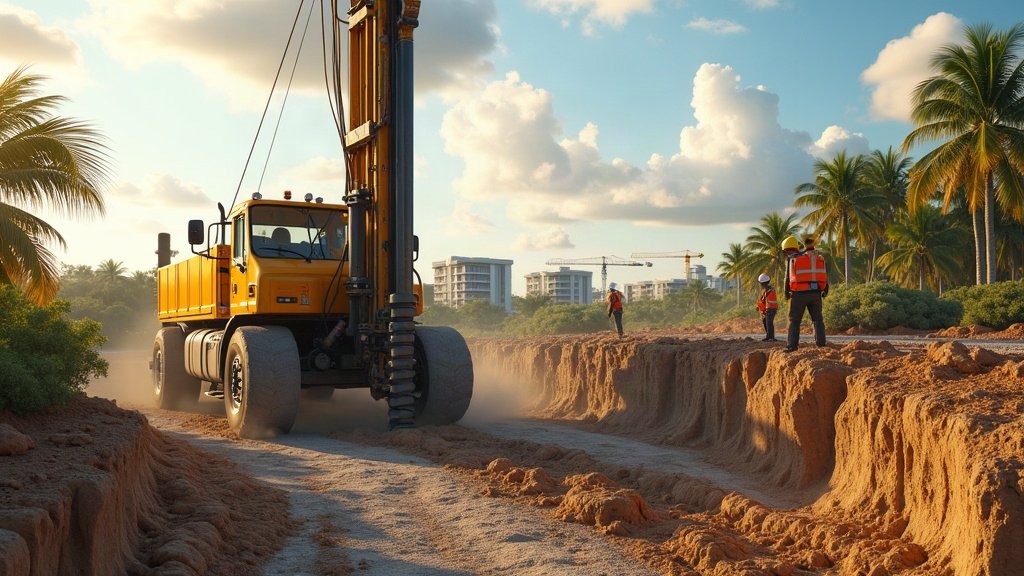
    Deep foundations transfer structural loads from a building down through weaker surface soil layers to deeper, more stable soil or rock strata. Unlike shallow foundations that rest on soil near ground level, deep systems extend significantly below the surface—often 20 to 100+ feet—to reach competent bearing layers that can safely support the structure’s weight.

    In the Cayman Islands context, deep foundations become necessary for several reasons. Our islands sit on limestone bedrock of variable quality, overlaid with fill materials, sand and coral rubble that lack consistent bearing capacity. Hurricane loads place exceptional lateral and uplift forces on structures, meaning foundations must provide exceptional anchoring power. Salt-air corrosion, high water tables and seasonal flooding in some areas further complicate shallow foundation performance. Commercial developments, high-rise residential buildings and any structure on filled or artificially prepared land typically require deep foundation investigation and design to satisfy Planning Department requirements and comply with the Cayman Islands Building Code.

    The decision to use deep foundations isn’t about being over-engineered—it’s about matching foundation strategy to site geology, building load and environmental risk. A professional geotechnical investigation early in project planning reveals whether your site requires deep foundation solutions and which system suits your circumstances best.

    Key Benefits of Deep Foundation Systems

    • Superior Load Capacity — Deep foundations anchor to stable rock or dense soil strata far below the surface, safely supporting heavy commercial buildings, high-rise structures and large-scale developments that shallow systems cannot accommodate.
    • Hurricane and Wind Resistance — By extending deep into the bedrock, these systems provide exceptional lateral bracing and uplift resistance, critical for surviving Category 3 and 4 hurricane conditions common in our region.
    • Long-Term Stability on Marginal Land — Properties on filled land, reclaimed areas or sites with variable geology benefit enormously; deep foundations bypass weak surface layers entirely.
    • Corrosion Mitigation — Foundations reaching below the salt-spray zone and groundwater fluctuation experience less chemical deterioration, extending structural life by decades compared to shallow systems in coastal settings.
    • Regulatory Compliance — Developers of substantial projects recognize that proper deep foundation design and certification streamline Planning Department approvals and ensure alignment with Cayman Islands Building Code standards.
    • Reduced Maintenance and Repair Costs — A foundation system designed correctly for local conditions prevents costly settlement, cracking and remedial work that property owners face when inadequate foundations are used.

    Best Practices and Standards in the Cayman Islands

    1. Commission a Geotechnical Site Investigation First — Before designing any structure, engage a qualified geotechnical engineer to perform soil boring, rock coring and laboratory testing. This determines bearing capacity at various depths, identifies groundwater conditions and informs foundation strategy. This step is non-negotiable for projects exceeding modest residential scale.
    2. Align Design with Cayman Islands Building Code Requirements — Ensure your structural and geotechnical engineers design foundations in accordance with the Cayman Islands Building Code, which mandates specific safety factors, load calculations and design life expectations. Deep foundation designs should be certified by licensed professionals registered with the relevant authority.
    3. Account for Hurricane Loading in Foundation Design — Specify designs that withstand the lateral and uplift forces typical of major hurricanes. Deep piles and drilled shafts should be sized and detailed to resist not only vertical loads but significant horizontal shear and tension forces.
    4. Select Materials Resistant to Corrosion — Use concrete with high durability specifications, marine-grade reinforcement coatings, or stainless steel components where deep foundations are in contact with salt water or highly saline soil. This investment pays dividends over the 50+ year life of the building.
    5. Plan Access and Logistics Early — Deep foundation construction requires specialized equipment—pile-driving rigs, drilling equipment, crane support—that must be imported or arranged well in advance. Coordinate with the contractor early to confirm equipment availability and factual timeline impacts.
    6. Document and Inspect Throughout Installation — Deep foundation work is largely invisible once complete. Insist on detailed inspection reports, material certifications, depth verification and load-testing documentation. This creates the record required by the Planning Department and protects your investment.

    Common Mistakes and How to Avoid Them

    • Skipping Geotechnical Investigation to Save Cost — Omitting soil testing almost always leads to design changes mid-project, cost overruns and construction delays. The investigation cost is a small fraction of the foundation contract; treat it as essential, not optional.
    • Underestimating Hurricane Lateral Loads — Designers sometimes size deep foundations conservatively for vertical load alone, overlooking the lateral bracing capacity needed for hurricane resistance. Ensure wind and seismic loads are explicitly included in design calculations.
    • Ignoring Salt Corrosion in Material Selection — Standard concrete and reinforcement deteriorate rapidly in Cayman’s salt-air environment. Specify durable material grades and protective systems upfront rather than facing concrete spalling and reinforcement rust years into the building’s life.
    • Failing to Verify Depth and Quality During Construction — Contractors sometimes cut corners or misrepresent pile depth when supervision is lax. Require witnessed testing, depth certification and load tests for critical piles; don’t rely solely on contractor reports.
    • Inadequate Planning for Equipment Logistics — Deep foundation work depends on specialized imported equipment. Projects that neglect to arrange equipment and logistics early often face multi-week delays and escalating costs. Confirm equipment availability and mobilization timelines at the contracting stage.

    Verification Checklist for Deep Foundation Projects

    • Geotechnical report completed by a qualified engineer, clearly stating bearing capacities at investigated depths and recommendations for foundation type and design parameters.
    • Structural and foundation design drawings prepared by a licensed professional and stamped in accordance with Cayman Islands regulations, showing all deep foundation details, load calculations and material specifications.
    • Material certifications for concrete (including durability class and corrosion-resistant admixtures), reinforcement steel and any specialized components delivered and verified prior to installation.
    • Inspection logs and depth verification records for each pile or drilled shaft, documenting depth, diameter, concrete volume and any defects or anomalies encountered during installation.
    • Load testing documentation for representative piles or shafts, confirming that installed foundation elements meet or exceed design capacity.
    • Final sign-off and certification from the supervising engineer, confirming that all deep foundation work complies with approved design and local building standards.

    Applications and Use Cases in the Cayman Islands

    Commercial High-Rise Development in George Town — Multi-storey office and retail towers require deep pile foundations to anchor heavy structural loads and resist hurricane winds. Limestone bedrock at 40–60 feet depth provides stable bearing for drilled shafts supporting major commercial projects.

    Residential Condominium Complexes — Large apartment buildings with shared parking structures benefit from deep foundations that support concentrated loads and ensure uniform settlement across the project. Particularly valuable on sites with variable fill or near the coast where corrosion resistance is essential.

    Developments on Reclaimed or Artificially Filled Land — Properties developed on filled areas or adjacent to harbours often rest on weak, compressible material unsuitable for shallow footings. Deep piles bypass these weak layers entirely and achieve stability in challenging terrain.

    Structures in Hurricane-Prone Coastal Locations — Beachfront properties, resorts and structures near the shoreline experience exceptional wind loads and salt spray. Deep foundations anchored to rock provide the resistance and corrosion durability these demanding sites require.

    Industrial and Warehouse Facilities — Heavy machinery, storage racks and operational loads in industrial buildings necessitate stable foundations. Deep systems ensure minimal settlement and long-term performance in facilities designed for 30–50-year operational life.

    How J&R Construction Approaches Deep Foundation Projects

    Deep foundation work demands precision, rigorous oversight and specialized expertise. At J&R Construction, we view foundation design as the critical first conversation with clients. We work collaboratively with geotechnical engineers, structural designers and the Planning Department from project inception to confirm that foundation strategy aligns with site conditions, building requirements and Cayman Islands regulations. We’ve successfully delivered deep foundation systems for commercial towers, residential complexes and challenging infill sites across Grand Cayman and Sister Islands.

    Our approach emphasizes early planning, transparent logistics coordination and meticulous quality control. We verify every certification, witness critical inspections and maintain detailed documentation so that clients and future owners have full confidence in the foundation’s performance. We understand that a well-executed deep foundation is invisible—it simply works quietly for decades, supporting the building through hurricanes, salt air and the demands of Caribbean climate. That’s the standard we deliver.

    Conclusion

    Deep foundation systems are not a luxury for commercial projects or an over-engineered approach for cautious developers. In the Cayman Islands context, they represent a strategic investment in structural longevity, regulatory compliance and resilience against Caribbean environmental pressures. Whether your project is a commercial tower requiring substantial bearing capacity, a coastal residential development facing salt corrosion, or an infill site with challenging geology, professional foundation design grounded in geotechnical investigation and local building standards is essential.

    If you’re planning a substantial construction project and uncertain whether deep foundations are appropriate for your site, the next step is clear: commission a geotechnical investigation and consult with experienced professionals who understand Cayman Islands conditions and requirements. Contact J&R Construction today to discuss your project, arrange a geotechnical assessment and develop a foundation strategy built to endure for generations. Your building’s success begins with the ground beneath it.

  • Climate-resilient construction in the Cayman Islands: a complete guide

    Climate-resilient construction in the Cayman Islands: a complete guide

    Building Climate-Resilient Homes and Commercial Properties in the Cayman Islands

    The Cayman Islands faces unique environmental pressures that demand forward-thinking construction practices. Situated in the Atlantic hurricane belt, our islands experience intense seasonal weather systems, persistent salt air corrosion, high humidity, and extreme temperature fluctuations. Property owners and developers who ignore these realities invest in structures destined for premature deterioration, costly repairs, and potential safety risks.

    Climate resilience in construction is no longer a luxury—it is a professional responsibility and a sound financial decision. Buildings designed and constructed to withstand our island environment perform better, retain value longer, and provide genuine security for occupants. The difference between a standard build and a resilient one often comes down to informed material selection, strategic design, proper installation standards, and adherence to local building codes.

    This guide explores how property owners, developers, and businesses can integrate climate resilience into their construction and renovation projects, ensuring durability, safety, and long-term value in the Cayman Islands market.

    What Climate Resilience Means in the Cayman Islands Context

    Climate resilience in construction refers to a building’s ability to withstand, recover from, and adapt to environmental stressors without significant structural failure or loss of functionality. For the Cayman Islands, this translates to structures that can endure hurricane-force winds, resist salt spray degradation, manage moisture infiltration, and maintain integrity through extended periods of heat and humidity.

    Unlike mainland jurisdictions where climate concerns may center on snow load or seismic activity, our islands face a specific constellation of challenges. Hurricane season runs from June through November, bringing winds that regularly exceed 100 mph in major events. Simultaneously, our tropical climate creates an aggressive corrosive environment where metal fasteners, reinforcement, and exposed structural elements deteriorate rapidly if not properly specified and maintained.

    The Cayman Islands Building Code and Planning Department requirements establish minimum standards for wind resistance, water infiltration prevention, and structural performance. However, truly resilient construction often exceeds these baseline requirements, incorporating design strategies and materials that provide a substantial margin of safety and longevity beyond code minimums.

    Key Benefits of Resilient Construction

    • Extended Structure Lifespan: Resilient design and material selection significantly reduce maintenance cycles and defer major repairs by decades, protecting your investment.
    • Hurricane and Storm Protection: Properly engineered roofing systems, impact-resistant openings, and reinforced connections keep occupants safe and minimize emergency repair costs after severe weather events.
    • Reduced Insurance Premiums: Properties built to resilient standards often qualify for lower insurance rates, offsetting initial construction cost increases over time.
    • Salt Corrosion Resistance: Strategic material selection—stainless steel fasteners, marine-grade sealants, and appropriate coatings—prevents the rapid degradation typical in island environments.
    • Enhanced Property Value: Buyers and tenants increasingly recognize resilient properties as lower-risk, lower-maintenance assets that command stronger resale and rental premiums.
    • Moisture Management: Proper ventilation, drainage, and waterproofing systems prevent the mold and structural decay that thrive in our humid climate.
    • Regulatory Compliance and Beyond: Meeting and exceeding local building code requirements demonstrates professionalism and protects owners from liability and code violations.

    Best Practices and Standards in the Cayman Islands

    1. Conduct a Site and Climate Risk Assessment: Before design begins, evaluate wind exposure, flood risk, storm surge potential, drainage patterns, and salt spray intensity at your specific location. Higher-elevation or exposed properties require more aggressive resilience measures than sheltered sites.
    2. Specify Marine-Grade or Stainless Steel Fasteners: Standard galvanized hardware fails prematurely in salt air. Upgrade all fasteners, flashing, and exposed metal to 304 or 316 stainless steel, particularly in coastal or exposed areas.
    3. Design Adequate Roof Pitch and Drainage: Flat roofs invite standing water and accelerate deterioration in our humid climate. Ensure proper slope, clear drainage paths, and high-quality waterproofing membranes rated for Caribbean conditions.
    4. Integrate Impact-Resistant Fenestration: Specify impact-rated windows and doors (tested to local hurricane standards) rather than relying on storm shutters as primary protection. Impact glass protects interiors from wind-driven rain and debris.
    5. Implement Continuous Air and Moisture Barriers: Use quality building wraps, sealants, and flashing details to create unbroken barriers against moisture infiltration. Humidity drives rot, mold, and structural failure in wood and composite materials.
    6. Elevate Critical Systems and Utilities: Position electrical panels, HVAC equipment, water heaters, and plumbing main lines above predicted flood levels. Elevated systems recover faster after storm surge or heavy rainfall events.
    7. Choose Durable, Low-Maintenance Materials: Prioritize materials proven to perform in tropical, salt-laden environments: fiber cement boards, composite trim, marine-grade plywood, and locally proven finishes over materials requiring frequent repainting or sealing.
    8. Ensure Proper Installation and Quality Control: Specify experienced, qualified installers familiar with island building practices. Poor installation nullifies even premium material specifications. Regular site inspections prevent costly rework.

    Common Mistakes and How to Avoid Them

    • Using Standard Galvanized Hardware in Coastal Areas: Galvanizing fails in 3–5 years under salt spray exposure. Invest in stainless steel throughout—the cost difference is modest compared to replacement labor.
    • Underestimating Moisture Management: Many builders focus on wind resistance but neglect ventilation and drainage. Trapped moisture causes hidden rot and mold growth. Ensure adequate soffit venting, proper grading, and interior vapor management from design stage onward.
    • Selecting Imported Materials Without Local Performance History: Attractive materials from cooler climates often fail prematurely under intense UV, heat, and humidity. Consult local contractors and material suppliers about proven alternatives.
    • Deferring Quality for Initial Cost Savings: Cheap roofing, single-pane windows, or standard fasteners may meet minimum code but invite expensive repairs within years. Build to resilient standards upfront and recoup savings through durability and lower insurance costs.
    • Ignoring Site Drainage and Grading: Poor drainage redirects water toward foundations, causing subsidence and structural issues. Proper grading and drainage systems are foundational to resilience and rarely warrant cost-cutting.
    • Overlooking Preventive Maintenance Planning: Resilient buildings still require regular inspection, sealant renewal, and minor repairs. Establish and budget for maintenance schedules to preserve resilience over decades.

    Verification Checklist for Resilient Construction

    • All external fasteners, flashing, and metal components are stainless steel (304 or 316 grade) or equivalent marine-rated hardware.
    • Roofing system includes proper slope, continuous waterproofing membrane, and documented wind uplift ratings meeting or exceeding Cayman Islands Building Code requirements.
    • Windows, doors, and other openings are impact-rated and installed with reinforced frames and proper flashing that prevents water intrusion.
    • Site grading directs surface water away from the foundation; drainage systems are clear and functional; low-lying areas have elevation or pump capacity for heavy rainfall.
    • Building envelope includes continuous air barriers, interior vapor management, and adequate ventilation to prevent moisture accumulation and mold growth.
    • Critical utilities and systems are positioned above predicted flood levels and protected from salt spray and moisture exposure.

    Applications and Use Cases in the Cayman Islands

    • Residential Properties and Family Homes: Homeowners building new or renovating existing residences benefit from resilient design that protects loved ones, reduces storm damage exposure, and lowers long-term maintenance burdens.
    • Commercial Office and Retail Buildings: Businesses require structures that remain operational and protected during and after hurricanes. Resilience minimizes downtime, protects inventory, and demonstrates stewardship to employees and customers.
    • Hospitality and Tourism Properties: Hotels, resorts, and guest accommodations depend on rapid recovery and minimal visible damage after storms. Resilient construction protects guest experience and revenue continuity.
    • Multi-Unit Residential Developments: Developers building condominiums or apartment complexes achieve competitive advantage by offering durability guarantees, lower insurance pass-through costs, and enhanced resale value through resilient construction standards.
    • Mixed-Use Development Projects: Large projects combining residential, retail, and office space benefit from coordinated resilience strategies that protect all components and minimize cross-building vulnerability.
    • Renovation and Modernization Work: Property owners refreshing older structures have an excellent opportunity to upgrade envelope performance, roofing, and critical systems to current resilience standards, extending asset life and value.

    How J&R Construction Approaches Climate-Resilient Building

    At J&R Construction, resilience is embedded in every project phase, from initial design consultation through final quality verification. Our family-led team brings decades of hands-on experience building and renovating properties across the Cayman Islands, providing us with deep, practical knowledge of how our island environment challenges structures over time. We approach each project by first understanding the specific site conditions, intended use, and client priorities, then translating those insights into material selections, design details, and installation standards that exceed code minimums.

    We partner with clients as trusted advisors, explaining the long-term value of resilient choices and helping them invest wisely. Whether designing new residential homes, managing commercial renovations, or overseeing large-scale development projects, we maintain rigorous quality control, specify proven materials, and employ installation methods refined through local experience. Our commitment to craftsmanship and accountability means your building will perform reliably for decades, protecting your investment and providing genuine peace of mind in our dynamic island climate.

    Conclusion and Next Steps

    Climate resilience in the Cayman Islands is not an optional upgrade—it is a foundational responsibility for any property owner, developer, or business seeking long-term value and safety. By understanding local environmental pressures, adopting proven best practices, and partnering with experienced builders who prioritize quality and durability, you create structures that endure, perform reliably, and protect your investment for generations.

    Ready to build or renovate with resilience as your foundation? Contact J&R Construction today to discuss your project, site conditions, and resilience strategy. Our team is ready to help you navigate the planning and development process with expertise, transparency, and a commitment to excellence that reflects our island heritage and professional standards.

    >

  • Concrete and offsite manufacturing for resilient Caribbean home construction

    Concrete and offsite manufacturing for resilient Caribbean home construction

    Building Resilient Homes: Integrating Concrete and Offsite Manufacturing for Caribbean Construction

    Construction in the Cayman Islands demands materials and methods that can withstand the unique pressures of our island environment. Between hurricane season, salt-laden air, intense UV exposure and high humidity levels, standard building techniques often fall short of long-term durability expectations. Property owners and developers frequently discover that shortcuts in material selection or construction methodology lead to costly repairs, structural compromise and premature deterioration—expenses that could have been avoided with forethought and quality integration from the outset.

    The combination of concrete construction and offsite manufacturing represents a modern solution that addresses these vulnerabilities head-on. By leveraging engineered concrete systems and prefabricated components produced in controlled factory environments, builders can deliver homes and commercial properties that resist tropical weather impacts while maintaining schedule certainty and cost predictability. This approach has gained traction globally and is increasingly relevant to Cayman Islands developers seeking resilience without sacrifice.

    In this guide, we explore how combining these two methodologies creates measurably stronger, longer-lasting structures suited to Caribbean conditions—and why discerning property owners should prioritize this approach when planning their next project.

    What It Is and Why It Matters for Cayman Islands Construction

    Concrete and offsite manufacturing integration refers to the strategic pairing of reinforced concrete construction with prefabricated building components produced away from the job site. Rather than pouring concrete on-site and building frame elements traditionally, contractors manufacture structural panels, wall systems, floor assemblies and mechanical components in a controlled factory setting. These precision-engineered pieces then arrive at the site ready for assembly—minimizing on-site variability, environmental exposure during construction, and timeline uncertainties.

    For Cayman Islands property owners, this matters significantly. Our building code requirements—aligned with international standards to ensure structural integrity in high-wind zones—demand exceptional concrete quality and precise engineering. Traditional site-cast concrete relies on weather conditions, worker skill consistency and material handling that can vary day to day. Factory-controlled concrete production eliminates these variables. Simultaneously, prefabrication reduces the construction timeline, which means less exposure of unfinished structures to salt spray, UV damage and unexpected weather events.

    The cumulative effect is a property that meets or exceeds Cayman Islands Building Code requirements with demonstrable margin, resists environmental degradation more effectively, and delivers predictable performance over decades rather than years.

    Key Benefits

    • Structural resilience: Factory-produced concrete and components meet exacting standards every time, ensuring consistent strength and durability against hurricane-force winds, salt corrosion and thermal stress common in the Caribbean.
    • Accelerated project timelines: Offsite manufacturing runs parallel to site preparation and foundation work, compressing overall construction schedules by weeks or months—a critical advantage when weather windows matter.
    • Reduced material waste: Precision manufacturing in factories generates minimal offcuts and waste compared to traditional site construction, lowering material costs and environmental impact—both significant on an island where imported materials dominate.
    • Quality assurance: Controlled factory environments with standardized equipment and experienced crews produce components with documented tolerances and performance data, eliminating guesswork about structural integrity.
    • Weather protection during construction: Fewer on-site trades working in tropical humidity and salt air means reduced risk of material degradation, reinforcement corrosion and concrete weakening before the building is sealed and operational.
    • Cost predictability: Factory-based production and parallel workflows reduce change orders, rework and schedule delays, making final project costs more stable and easier to forecast.
    • Enhanced durability: Concrete produced and cured in controlled conditions resists salt intrusion and moisture penetration more effectively than site-cast alternatives, extending the life of the structure and reducing maintenance costs.

    Best Practices and Standards in the Cayman Islands

    1. Engage a qualified structural engineer early: Before committing to offsite manufacturing, work with an engineer familiar with Cayman Islands Building Code requirements and our specific environmental stressors. They will specify concrete mixes, reinforcement details, and component tolerances appropriate for salt-spray and hurricane conditions.
    2. Verify supplier and manufacturer credentials: Partner only with factories that hold relevant quality certifications, demonstrate experience with tropical climates, and can provide reference projects from similar environments. Request material test reports and performance data.
    3. Coordinate with the Planning Department: Early engagement with the Cayman Islands Planning Department ensures that your proposed prefabricated approach aligns with local approval processes. Some designs may require additional documentation or phased review.
    4. Plan logistics with island constraints in mind: Offsite manufacturing requires careful coordination of shipping, port handling and site access. Establish clear timelines with your manufacturer and logistics partner to avoid storage delays that could damage prefabricated components in our humid climate.
    5. Specify concrete durability measures: Require low-permeability concrete mixes, appropriate water-to-cement ratios, and protective coatings or sealers that resist salt exposure. Document all specifications in contract documents.
    6. Establish quality inspection protocols: Schedule third-party inspections of components at the factory before shipment, and again upon delivery to site. Document all findings and address discrepancies immediately.

    Common Mistakes and How to Avoid Them

    • Underestimating lead times: Offsite manufacturing requires longer upfront planning and material procurement. Avoid compressed timelines that force manufacturers to rush production or use substandard processes. Build realistic schedules that account for design finalization, factory mobilization, and island shipping delays.
    • Overlooking salt corrosion in design: Standard concrete mixes and reinforcement details used in temperate climates may prove inadequate in Cayman’s salt-air environment. Correct this by specifying concrete with enhanced corrosion resistance, epoxy-coated reinforcement, or increased concrete cover where exposure is high.
    • Selecting inexperienced offshore manufacturers: Cost pressure sometimes drives developers toward low-bid producers unfamiliar with tropical construction requirements. Avoid this trap by prioritizing manufacturers with proven experience in Caribbean or similar marine environments, even if upfront costs are slightly higher.
    • Poor communication between design and manufacturing: Misaligned specifications between architect drawings and factory production can result in components that do not fit, require on-site modification, or fail to meet performance standards. Correct this with detailed coordination meetings and written confirmation of all specifications before production begins.
    • Inadequate site preparation: Offsite manufacturing is only as effective as the site conditions where components are assembled. Ensure foundations are set precisely to tolerance, drainage is adequate, and the site is secured against salt spray and wind exposure during the assembly phase.
    • Neglecting long-term maintenance planning: While offsite manufacturing delivers durability, the structure still requires proper maintenance. Avoid assuming a factory-built home needs no protective measures; establish a maintenance schedule and educate the owner on salt-spray cleaning, sealant inspection, and drainage maintenance.

    Verification Checklist

    • Structural engineer has confirmed that concrete mixes and component specifications meet or exceed Cayman Islands Building Code requirements for wind and salt exposure.
    • Manufacturing facility has provided material test certificates, quality control documentation, and references from projects in tropical or marine environments.
    • Logistics plan is finalized, including shipping schedules, port handling protocols, site storage provisions, and weather contingencies specific to our hurricane season.
    • All components have been inspected at the factory by an independent third party, with a written report documenting conformance to specifications.
    • Site foundation and preparation work is complete and verified to correct tolerances before prefabricated components arrive.
    • Owner and maintenance team have received documentation on protective coatings, sealant maintenance schedules, and drainage requirements to preserve the structure’s long-term resilience.

    Applications and Use Cases in the Cayman Islands

    Residential development: Multi-unit residential projects and estate homes benefit significantly from offsite manufacturing, which compresses construction timelines and ensures consistent quality across numerous units. This approach is particularly valuable for waterfront or elevated properties vulnerable to hurricane surge and salt exposure.

    Commercial and hospitality: Hotels, resorts and office buildings gain operational continuity through faster construction schedules enabled by prefabrication. Concrete and offsite systems also provide superior noise control and fire resistance—both critical for hospitality environments.

    Critical infrastructure: Medical facilities, emergency services buildings, and utility structures require maximum durability and reliability. Offsite manufacturing ensures these buildings meet stringent codes and resist environmental stressors that could compromise operations.

    Renovation and adaptive reuse: Retrofitting existing structures with prefabricated concrete panels and components allows developers to upgrade older buildings to current code standards while minimizing disruption to adjacent properties and utilities.

    How J&R Construction Approaches Resilient Building Integration

    At J&R Construction, we recognize that building for Cayman Islands conditions demands more than standard practices. Our team has developed deep expertise in specifying and integrating concrete systems with prefabricated components that withstand our tropical climate. We collaborate with structural engineers, manufacturers and suppliers who share our commitment to durability, and we manage every detail from design coordination through final inspection.

    Whether you are developing a residential community, planning a commercial property, or managing a major renovation, we bring proven methodology to combine concrete’s proven strength with offsite manufacturing’s precision and efficiency. Our approach ensures your property meets code requirements with measurable resilience, delivers on schedule, and performs reliably for decades—the foundation of lasting value for property owners and investors across the Cayman Islands.

    Conclusion

    Integrating concrete construction with offsite manufacturing is not a trend—it is a proven strategy for building structures that endure in challenging environments. For property owners and developers in the Cayman Islands, where salt air, hurricanes and humidity present constant challenges, this approach delivers measurable benefits in durability, schedule certainty and long-term cost performance.

    If you are planning a new residential, commercial or renovation project, we encourage you to explore how this integrated methodology can strengthen your property and protect your investment. Contact J&R Construction today to discuss your project requirements and discover how our expertise in resilient building design and execution can deliver the quality and durability your Cayman Islands property deserves.

  • Storm-resilient waterfront construction in the Cayman Islands: a complete guide

    Storm-resilient waterfront construction in the Cayman Islands: a complete guide

    Protecting Waterfront Properties in the Cayman Islands: Storm-Resilient Construction and Maintenance

    Waterfront properties command premium valuations in the Cayman Islands, yet they remain among the most vulnerable assets during hurricane season. Storm surge, salt spray, high winds and intense rainfall create a perfect storm of structural threats that can transform a treasured home or investment into a costly liability within hours. For property owners, developers and investors, the financial and emotional toll of storm damage extends far beyond initial repairs—it often involves years of remediation, insurance disputes and diminished property value.

    The Cayman Islands’ geographical position in the Atlantic hurricane belt means waterfront properties face exposure to severe weather events with regularity. Beyond the dramatic destruction that makes headlines, waterfront homes endure chronic degradation from salt air corrosion, humidity and moisture infiltration that weaken structural integrity long before a major storm strikes. This cumulative damage, combined with the challenge of sourcing imported materials and managing island logistics, creates a complex maintenance burden that many property owners underestimate.

    The good news is that proven resilience strategies exist. By combining storm-resistant construction techniques with proactive maintenance protocols aligned with Cayman Islands Building Code requirements, waterfront property owners can dramatically reduce vulnerability, protect their investment and maintain structural soundness for decades. J&R Construction has guided numerous clients through this journey, and this guide reveals the practical framework every waterfront property owner should understand.

    What Storm-Resilient Waterfront Construction Is and Why It Matters in the Cayman Islands

    Storm-resilient construction refers to building and reinforcement practices designed to withstand extreme weather events, particularly the high winds, torrential rainfall and storm surge that accompany hurricanes. For waterfront properties in the Cayman Islands, resilience means more than survival—it encompasses structural integrity, material durability and strategic design choices that minimize damage, reduce repair costs and protect occupant safety.

    Waterfront locations present unique challenges. Properties sit at the intersection of salt water exposure, elevated wind loads and storm surge risk. Unlike inland homes, waterfront structures experience accelerated corrosion of metal components, deterioration of concrete and wood, and moisture intrusion through gaps and seals. The Cayman Islands Building Code and Planning Department requirements mandate specific standards for coastal construction, but code compliance alone is insufficient without proactive maintenance and strategic upgrades that address the full spectrum of waterfront environmental stressors.

    The economic argument for resilience is compelling. A single hurricane can cause damage exceeding hundreds of thousands of dollars. Insurance premiums for waterfront properties already reflect risk exposure; storm damage claims often lead to coverage disputes, deductible applications and policy complications. Conversely, properties demonstrating verifiable resilience measures command better insurance terms, maintain higher resale value and provide owners with genuine peace of mind.

    Key Benefits of Storm-Resilient Waterfront Construction

    • Reduced structural damage: Wind-resistant framing, hurricane-rated doors and windows, and reinforced roof systems minimize breach points where storm forces enter the home.
    • Lower insurance costs: Documented resilience upgrades often qualify for insurance discounts, offsetting capital expenditure over time.
    • Faster post-storm recovery: Resilient homes require less remediation, allowing faster occupancy and reduced business interruption for commercial waterfront properties.
    • Protection of interior assets: Sealed envelopes and water management systems prevent moisture intrusion that damages furnishings, electronics and structural framing.
    • Long-term property value preservation: Waterfront properties with documented resilience upgrades maintain stronger resale appeal and command premium valuations.
    • Extended material lifespan: Salt-resistant coatings, corrosion-resistant fasteners and protective systems reduce maintenance frequency and extend service life of structural components.

    Best Practices and Standards for Waterfront Construction in the Cayman Islands

    1. Specify hurricane-rated openings: Install impact-resistant doors, windows and glass systems rated for the wind speeds and debris impact anticipated in your location. Verify compliance with Cayman Islands Building Code standards and ensure proper installation with reinforced frames and fastening systems.
    2. Elevate critical systems: Position electrical panels, HVAC equipment, plumbing components and other mechanical systems above the anticipated storm surge level. Consult with professional engineers to determine surge elevations for your specific waterfront location.
    3. Implement comprehensive water management: Install proper drainage systems, sump pumps, moisture barriers and dehumidification in crawl spaces and basements. Ensure gutters, downspouts and grading direct water away from the foundation.
    4. Use corrosion-resistant materials: Specify stainless steel, galvanized, or epoxy-coated fasteners and hardware. Choose concrete sealers and protective coatings designed for salt air environments, and renew them according to manufacturer recommendations.
    5. Reinforce roof connections: Verify that roof trusses and rafters are properly anchored to wall plates with rated hurricane ties and fasteners. Have a structural engineer inspect connections in older properties.
    6. Seal all penetrations: Close gaps around pipes, cables, vents and other building penetrations with marine-grade sealants rated for movement and salt exposure. Inspect and reseal annually.
    7. Establish a maintenance schedule: Document seasonal inspections, coating renewals, fastener replacement and seal integrity checks. Keep records demonstrating ongoing stewardship to insurance providers and future buyers.

    Common Mistakes and How to Avoid Them

    • Deferring maintenance until visible damage appears: Waterfront degradation is often hidden beneath surfaces until failure occurs. Adopt a calendar-based maintenance program regardless of visible condition, inspecting roof fasteners, sealants and coatings twice yearly.
    • Using standard materials in salt-air environments: Regular steel fasteners, aluminum trim and uncoated hardware corrode rapidly near salt water. Always specify marine-grade or corrosion-resistant alternatives, even if initial cost is higher.
    • Neglecting interior moisture management: Many waterfront homes leak during storms through ceiling penetrations, flashing gaps or window seals that appear adequate during calm weather. Verify interior moisture barriers and test them during heavy rain events.
    • Assuming insurance will cover storm damage: Policy exclusions, deductibles and coverage limits mean many waterfront property owners face substantial uninsured loss. Invest in resilience to reduce exposure rather than relying on insurance alone.
    • Delaying repairs after minor storm events: Each weather event compounds existing damage; a small leak today becomes structural rot within months in the Caribbean climate. Address all storm damage promptly before secondary deterioration accelerates.
    • Overlooking contractor qualifications: Waterfront construction and maintenance demand specialized knowledge of salt-air durability, marine materials and Caribbean weather patterns. Engage contractors with demonstrated experience in coastal properties in the Cayman Islands.

    Verification Checklist for Waterfront Property Resilience

    • Have roof connections and hurricane ties been inspected by a structural engineer within the last three years, with documented compliance to Cayman Islands Building Code standards?
    • Are all external fasteners, hardware and trim composed of marine-grade corrosion-resistant materials, with recent photographic documentation?
    • Do all windows and doors hold current impact-resistance ratings, and have frames been inspected for seal integrity and proper fastening?
    • Is there a documented maintenance schedule in place with photographs or reports from at least two annual inspections completed within the last 12 months?
    • Have all building penetrations (pipes, cables, vents, conduits) been sealed with marine-grade sealants, with renewal date recorded?
    • Are mechanical systems, electrical panels and critical utilities positioned above anticipated storm surge elevation, with engineering justification on file?

    Applications and Use Cases Across Cayman Islands Sectors

    • Residential waterfront homes: Owner-occupied beachfront and canal-side properties require resilience upgrades to protect family safety, preserve equity and maintain occupancy during and after hurricane season.
    • Vacation rental properties: Investment properties rented to tourists must demonstrate resilience to protect guests, minimize business interruption and sustain rental income during peak season recovery periods.
    • Commercial waterfront hospitality: Hotels, resorts and entertainment venues depend on rapid post-storm recovery and operational continuity; resilient design protects revenue and guest confidence.
    • Mixed-use waterfront developments: Large projects combining residential, retail and office space require integrated resilience planning across multiple building envelopes and systems to maintain district-level functionality.
    • Waterfront investment portfolios: Real estate portfolios with multiple coastal properties benefit from systematic resilience audits and strategic upgrades that enhance portfolio returns and reduce aggregate risk exposure.

    How J&R Construction Approaches Waterfront Resilience

    J&R Construction has spent years mastering the unique demands of waterfront construction and renovation in the Cayman Islands. We understand that resilience is not a one-time retrofit but an ongoing commitment to material selection, workmanship and strategic maintenance. Our team conducts comprehensive audits of existing waterfront properties, identifying vulnerabilities often invisible to untrained eyes, then develops prioritized upgrade plans that balance immediate risk reduction with long-term value preservation.

    Whether you’re constructing a new waterfront home, renovating an existing property or managing a commercial development, J&R Construction brings specialized expertise in marine materials, corrosion prevention, hurricane-resistant design and Cayman Islands Building Code compliance. We partner with property owners to establish maintenance protocols, coordinate seasonal inspections and execute strategic upgrades that keep waterfront assets resilient, beautiful and valuable for generations.

    Conclusion

    Waterfront property ownership in the Cayman Islands is a privilege and an investment that demands respect for environmental realities. Storm-resilient construction and maintenance are not optional enhancements—they are essential safeguards that protect your family, preserve your asset value and ensure your property survives hurricane season stronger than it entered it. The cost of resilience is far outweighed by the cost of damage and the peace of mind that comes with a truly protected home.

    Begin with a professional resilience audit of your waterfront property. Identify critical vulnerabilities, prioritize upgrades aligned with your budget and timeline, and commit to a maintenance schedule that sustains your investment. Contact J&R Construction today to arrange a waterfront property assessment and discover how targeted resilience investments can transform your vulnerability into confidence.

  • Resilient construction in the Cayman Islands: a guide for property owners

    Resilient construction in the Cayman Islands: a guide for property owners

    Building Resilient Structures in the Cayman Islands: A Guide for Property Owners and Developers

    The Cayman Islands faces unique environmental pressures that demand more than standard construction practices. Situated in an active hurricane belt, exposed to relentless salt air corrosion, and subject to intense tropical humidity, every structure built here must be engineered for resilience. Yet many property owners and developers still approach construction with mainland or temperate-climate standards in mind, only to discover years later that their buildings deteriorate faster, require costly repairs, and fail to withstand the seasonal storms that define life on the island.

    Resilient construction is not a luxury add-on—it is a fundamental requirement for any building project in the Cayman Islands. It encompasses the deliberate selection of materials, construction methodologies, and design principles specifically chosen to resist environmental stressors and extend building lifespan. When executed properly, resilient construction reduces long-term maintenance costs, protects occupant safety, preserves property value, and ensures compliance with Cayman Islands Building Code requirements.

    Understanding and implementing resilient construction practices from project inception transforms how properties perform over decades. This guide walks property owners, developers, and investors through what resilience means in the Caribbean context, why it matters, and how to ensure your construction project is built to last.

    What Resilient Construction Is and Why It Matters in the Cayman Islands

    Resilient construction refers to the deliberate design, material selection, and building practices that enable structures to withstand environmental stressors, recover quickly from damage, and maintain functionality over extended periods. In the Cayman Islands, this specifically addresses hurricane-force winds, salt spray corrosion, high humidity, tropical rainfall, and the challenges of working with imported materials in an island environment.

    The Cayman Islands Building Code establishes minimum standards for structural integrity and safety, but truly resilient construction exceeds these baselines. A resilient building performs better during hurricanes, experiences less weather-related deterioration between storms, requires fewer emergency repairs, and maintains its structural integrity and appearance longer than conventionally constructed properties.

    For homeowners, this means less frequent costly repairs and greater peace of mind during hurricane season. For commercial property owners and developers, resilience directly affects insurance premiums, tenant retention, property valuations, and long-term return on investment. For investors considering the Cayman Islands market, resilient properties command premium pricing and attract quality tenants seeking secure, well-maintained facilities.

    Key Benefits of Resilient Construction

    • Extended structural lifespan: Properties built with resilient principles experience slower deterioration from salt air and humidity, reducing major repairs and replacements over 20, 30, or 40+ year periods.
    • Reduced storm damage: Hurricane-resistant framing, impact-resistant glazing, and engineered connections minimize damage during high-wind events, protecting both structure and contents.
    • Lower insurance costs: Insurers recognize resilient construction and often offer reduced premiums for certified storm-resistant features and proper maintenance protocols.
    • Enhanced property value: Buyers and tenants increasingly prioritize resilience; documented resilient construction practices strengthen resale value and rental appeal.
    • Decreased maintenance burden: Materials selected for their resistance to corrosion and humidity degrade more slowly, reducing the frequency and expense of repairs and repainting.
    • Regulatory compliance: Resilient practices align with and often exceed Cayman Islands Building Code and Planning Department requirements, streamlining permitting and inspections.
    • Occupant safety: Structures designed to remain stable and secure during extreme weather protect lives and reduce liability exposure for owners.

    Best Practices and Standards in the Cayman Islands

    1. Specify corrosion-resistant materials throughout: Use marine-grade stainless steel fasteners, hardware, and structural connections. Avoid standard carbon steel in exposed locations. Upgrade metal roofing systems to hot-dip galvanized or Zincalume finishes. Specify treated wood or composite alternatives in salt-spray zones. These investments prevent rust staining, structural weakness, and premature replacement.
    2. Design for wind resistance and proper drainage: Work with engineers familiar with Cayman Islands wind load requirements and the Planning Department’s design standards. Ensure roofing systems are properly engineered for attachment, and design roof overhangs and fascias to shed water quickly. Poor drainage accelerates mold, rot, and interior damage after heavy rainfall or storm surge.
    3. Choose humidity-resistant finishes and sealants: Use exterior-grade paint systems rated for tropical climates. Apply quality sealants to all penetrations, joints, and connections. Select interior finishes that resist moisture absorption and mold growth. High humidity in enclosed spaces promotes mildew and structural decay if materials are not properly specified.
    4. Implement impact-resistant windows and doors: Specify impact-resistant glass assemblies tested to hurricane standards. Ensure frames are securely anchored to structural elements. Provide permanent storm protection or install systems that allow rapid deployment during hurricane watches.
    5. Use proper flashing and moisture barriers: Install comprehensive flashing at roof penetrations, around windows and doors, and at wall transitions. Specify breathable moisture barriers that prevent water infiltration while allowing vapor transmission. Improper flashing is a leading cause of interior water damage and structural rot in island properties.
    6. Engage local expertise from project inception: Collaborate with architects, engineers, and contractors experienced in Cayman Islands construction. Local professionals understand site-specific challenges, material availability, weather patterns, and regulatory requirements that mainland consultants may overlook.

    Common Mistakes and How to Avoid Them

    • Specifying mainland or temperate-climate materials: Standard interior paint, regular fasteners, and ordinary wood treatments deteriorate rapidly in Caribbean salt air and humidity. Always specify materials rated for tropical or marine environments. Consult your contractor and material suppliers early to confirm suitability for the Cayman Islands climate.
    • Underestimating the impact of salt spray: Many property owners don’t realize how far inland salt air travels or how aggressively it corrodes unprotected metals and finishes. Assume salt spray reaches all exposed elements; don’t reserve corrosion-resistant specifications only for beachfront properties.
    • Delaying resilience planning until after design is complete: Resilience must inform material selection, structural design, and site planning from the very beginning. Retrofitting resilient features into an already-designed building is expensive and often ineffective. Engage resilience planning during concept and schematic design phases.
    • Ignoring drainage and moisture management: Builders sometimes cut corners on flashing, sealing, and drainage systems to reduce costs. This almost always results in interior water damage, mold, and structural deterioration within a few years. Proper moisture management is non-negotiable in the Caribbean.
    • Failing to maintain resilient features: A resilient building still requires regular maintenance. UV exposure degrades sealants, salt spray deposits require washing, and drainage systems need clearing. Establish and follow a maintenance schedule from day one to preserve the benefits of resilient construction.

    Verification Checklist: Ensuring Your Project Is Built Resilient

    • Confirm all fasteners, hinges, brackets, and metal hardware are marine-grade stainless steel or equivalent corrosion-resistant specification.
    • Verify that exterior paint, sealants, and coating systems carry a tropical or marine climate rating and are appropriate for salt-spray exposure.
    • Review structural drawings and roofing plans with your engineer to confirm wind-load calculations meet or exceed Cayman Islands Building Code standards and include proper attachment and fastening details.
    • Walk the building exterior with your contractor to identify and document all penetrations, transitions, and vulnerable areas; confirm flashing and sealant specifications for each location.
    • Request material certifications and test reports demonstrating that windows, doors, and impact-resistant components meet hurricane impact standards and are properly certified.
    • Establish a maintenance schedule with your contractor or property manager, specifying inspection intervals, cleaning protocols, sealant reapplication timelines, and drainage system clearing frequency.

    Applications and Use Cases in the Cayman Islands

    Residential homes and condominiums: Homeowners benefit directly from reduced maintenance, fewer storm-related repairs, lower insurance premiums, and the confidence that their families are housed in structures engineered to protect them. Resilient residential properties also maintain value better through market cycles and appeal to quality renters during owner-occupancy transitions.

    Commercial office buildings and retail centers: Businesses require facilities that remain operational and presentable year-round. Resilient construction minimizes disruption from weather-related maintenance, protects tenant operations, and reduces the likelihood of urgent, expensive repairs that disrupt business continuity.

    Hospitality properties and vacation rentals: Hotels, resorts, and short-term rental properties depend on guest satisfaction and operational reliability. Resilient construction protects guest experience, reduces downtime between bookings due to maintenance, and supports competitive positioning in a market where weather resilience is an increasingly important factor in guest choice.

    Industrial and warehouse facilities: Facilities storing valuable inventory or housing critical operations require structural integrity and protection from water intrusion. Resilient construction safeguards inventory, reduces loss from weather events, and maintains the integrity of mechanical and electrical systems.

    Mixed-use and development projects: Developers planning multi-phase or complex projects benefit from establishing resilience standards across the entire portfolio, ensuring consistency, simplifying material procurement and contractor training, and creating marketable properties that attract quality tenants and investors.

    How J&R Construction Approaches Resilient Building

    At J&R Construction, resilience is embedded in how we approach every residential and commercial project. With deep roots in the Cayman Islands community and decades of hands-on experience navigating our unique climate, we understand that true value is built over decades, not just during the initial construction phase. From project inception through final walk-through, we collaborate with you to specify materials, design details, and construction practices that protect your investment against the environmental stressors that define Caribbean living and working.

    Our approach begins with education and partnership. We take time to discuss your long-term expectations, explain the trade-offs between initial cost and lifecycle performance, and recommend resilience strategies tailored to your specific location, use, and budget. Our teams are trained in proper installation of corrosion-resistant materials, flashing systems, and moisture management details. We maintain relationships with trusted suppliers who understand the Cayman Islands market and can reliably source marine-grade and tropical-rated products. When your project is complete, we provide guidance on maintenance protocols that preserve your resilient features and protect your long-term investment.

    Conclusion: Invest in Resilience Today

    Resilient construction is not an optional upgrade or a trendy concept—it is a practical, cost-effective strategy for protecting your property investment in the Cayman Islands. By specifying appropriate materials, implementing proven construction details, and engaging experienced local professionals, you ensure that your building performs better, lasts longer, and serves your needs reliably for decades to come.

    Whether you are planning a new residence, developing a commercial property, or renovating an existing facility, the time to prioritize resilience is now. Reach out to the team at J&R Construction today. We are ready to discuss your project, answer your questions about resilient building practices, and help you build a structure engineered to thrive in the Cayman Islands.

  • How to select a contractor and check references in the Cayman Islands

    How to select a contractor and check references in the Cayman Islands

    How to Select a Contractor and Check References: A Essential Guide for Cayman Islands Property Owners

    Building or renovating a property in the Cayman Islands is a significant investment, and the success of your project depends largely on choosing the right contractor. Whether you’re planning a residential renovation, a commercial build-out, or a complete structural overhaul, the contractor you select will directly impact your timeline, budget, quality standards and overall experience. Yet many property owners rush this critical decision, focusing primarily on price quotes rather than conducting thorough due diligence and reference checks.

    The consequences of hiring an unsuitable contractor can be costly. Poor workmanship, project delays, budget overruns, failure to meet Cayman Islands Building Code requirements, and inadequate insurance coverage are just some of the risks. In our tropical climate, where hurricane season brings intense weather challenges and salt air accelerates material degradation, you need a contractor who understands local conditions and delivers excellence.

    This guide walks you through the systematic process of selecting a contractor and verifying their credentials through thorough reference checking. By following these proven steps, you’ll gain confidence in your choice and protect your investment.

    What Contractor Selection and Reference Checking Really Means

    Contractor selection is the methodical process of evaluating construction professionals based on qualifications, experience, financial stability, licensing, insurance coverage and track record. Reference checking is the verification component—contacting previous clients to validate the contractor’s claims about quality, reliability, communication and professionalism.

    In the Cayman Islands context, this process carries particular weight. Our island economy relies on imported materials and specialized expertise, making contractor competence essential. Building projects must comply with the Cayman Islands Building Code and Planning Department requirements, and non-compliant work can trigger costly corrections or project halts. Additionally, the demanding tropical environment—with hurricane season, humidity, salt air corrosion and intense UV exposure—requires contractors with proven expertise in materials selection and weatherproofing techniques suited to island conditions.

    Many property owners underestimate the value of thorough reference checking, viewing it as a formality rather than a critical safeguard. In reality, speaking with previous clients reveals patterns of reliability, quality and professional conduct that no written proposal can capture.

    Key Benefits of Proper Contractor Selection and Reference Verification

    • Quality assurance: Verified references confirm that a contractor consistently delivers work meeting agreed standards and local building codes, reducing the risk of defects or regulatory non-compliance.
    • Budget protection: Checking references helps you identify contractors with reliable cost management and transparent billing practices, reducing the likelihood of unexpected overcharges or change orders.
    • Timeline confidence: Previous clients reveal whether a contractor respects project schedules, communicates proactively about delays, and manages island logistics effectively—critical factors in Cayman’s supply chain environment.
    • Weather and climate expertise: References validate a contractor’s understanding of hurricane-resistant design, moisture management, corrosion prevention and tropical material durability—essential knowledge here.
    • Communication clarity: Direct contact with past clients demonstrates whether the contractor keeps owners informed, responds promptly to concerns and manages expectations realistically.
    • Insurance and legal compliance: Reference checking helps confirm that a contractor maintains appropriate liability coverage, workers’ compensation and professional licensing—vital protections for your project.
    • Peace of mind: Thorough vetting reduces stress and uncertainty, allowing you to focus on your project vision rather than worrying about contractor reliability.

    Best Practices and Standards in the Cayman Islands

    1. Verify licensing and insurance first: Before requesting quotes, confirm the contractor holds current licensing from relevant Cayman Islands authorities. Request copies of general liability insurance, property damage coverage and workers’ compensation insurance. Verify these directly with insurers, not just through documents provided by the contractor.
    2. Request at least three solid references: Ask specifically for clients with projects similar in scope, type and value to yours. References should ideally be from completed projects in the Cayman Islands or similar Caribbean environments, ensuring they understand local building conditions and regulations.
    3. Go beyond the provided list: The references a contractor provides are naturally positive. Ask contractors for a comprehensive list of projects from the past three to five years, then select references randomly rather than accepting only pre-selected names. This reveals whether the contractor has genuine confidence across their portfolio.
    4. Ask targeted, specific questions: Prepare a structured list of questions before making calls. Ask about budget adherence, timeline performance, communication frequency, problem-solving approach, regulatory compliance, weather-related challenges and whether the client would hire the contractor again. Open-ended questions yield richer insights than yes/no queries.
    5. Check references in person or by detailed video call: While phone conversations are practical, in-person meetings or extended video calls allow you to observe body language and build rapport. Visiting completed projects in person—particularly relevant in the Cayman Islands where you can assess tropical durability—strengthens your evaluation.
    6. Document everything: Record reference contact details, conversation dates, responses and your own observations. Maintain this documentation as part of your project file, creating a clear audit trail of your selection process.

    Common Mistakes and How to Avoid Them

    • Selecting based on price alone: The lowest bid often reflects corners cut on materials, labor quality or insurance coverage. Instead, compare value across three qualified contenders, evaluating price within the context of qualifications, references and timeline reliability.
    • Accepting vague or evasive responses from references: If a reference seems reluctant to speak openly, provides only generic praise, or declines to discuss specific challenges, treat this as a caution signal. Genuine references willingly discuss both strengths and areas where the contractor could improve.
    • Relying solely on online reviews: While online ratings offer a starting point, they lack the depth and specificity of direct reference conversations. Supplement reviews with personal outreach to build a complete picture.
    • Neglecting to verify insurance before project commencement: Confirm insurance is active and current only days before work begins, not weeks earlier when policies might lapse. Request certificates of insurance naming your project specifically.
    • Failing to discuss Cayman Islands Building Code compliance explicitly: Don’t assume a contractor knows local requirements. Clearly discuss their familiarity with the Building Code, Planning Department processes, environmental regulations and hurricane-resistant standards in your initial conversations and reference checks.
    • Overlooking communication style mismatches: A contractor with excellent references but poor communication habits during your selection process will likely remain uncommunicative during your project. Pay attention to responsiveness, clarity and professionalism in early interactions.

    Verification Checklist

    • Confirm current licensing status with Cayman Islands regulatory bodies and verify no outstanding complaints or sanctions.
    • Request and verify insurance certificates directly with insurers; confirm coverage amounts are adequate for your project scope and value.
    • Contact at least three references by phone or in-person; prepare written questions in advance and document responses.
    • Visit at least one completed project site in person to assess workmanship quality and tropical durability (weathering, corrosion resistance, material condition).
    • Verify the contractor’s familiarity with Cayman Islands Building Code requirements and Planning Department submission processes.
    • Confirm that the contractor maintains an active physical office or location in the Cayman Islands and has reliable local supplier relationships for materials and subcontractors.

    Applications and Use Cases in the Cayman Islands

    • Residential new construction: When building a new home, contractor selection determines compliance with hurricane-resistant building standards, structural integrity and long-term durability in our tropical environment. Reference checks reveal experience with the specific challenges of residential building in the Cayman Islands.
    • Commercial development: Developers choosing contractors for office buildings, retail spaces or hospitality projects need assurance of regulatory compliance, sophisticated project management and ability to coordinate complex timelines. References validate experience with commercial-scale projects and Planning Department approval processes.
    • Hurricane damage restoration: Following tropical storms, property owners need contractors experienced in rapid assessment, emergency stabilization and insurance coordination. References from previous restoration projects confirm reliability during high-stress situations and understanding of weather-related damage patterns common to the Caribbean.
    • Renovation and remodeling: Residential owners updating kitchens, bathrooms or adding spaces require contractors skilled in working within existing structures while maintaining compliance. References demonstrate problem-solving ability and ability to manage surprises common in renovation work.
    • Condo association projects: Strata-titled properties need contractors experienced in coordinated scheduling, multi-unit coordination and managing diverse stakeholder communication. References from similar association projects confirm professionalism and organizational capability.
    • Commercial fit-out and tenant improvement: Business tenants improving leased spaces require efficient, clean contractors who minimize disruption. References confirm punctuality, waste management and coordination with building management standards.

    How J&R Construction Approaches Contractor Selection and Quality Assurance

    At J&R Construction, we understand that our reputation rests on consistent, high-quality delivery. We approach every project—whether residential renovation, commercial build-out or property development—with the discipline of a contractor who recognizes that property owners have already vetted us thoroughly. We maintain full compliance with Cayman Islands Building Code standards, carry comprehensive insurance coverage, and hold all necessary licenses. Our team has deep experience with island-specific challenges: hurricane-resistant design, tropical material selection, salt air corrosion prevention, and logistics management in our unique supply chain environment.

    For property owners working with us, we encourage the same rigorous reference checking described in this guide. Contact our past clients. Visit completed projects. Ask specific questions about our communication, budget management and problem-solving approach. We’re confident in our track record and welcome scrutiny, because thorough vetting benefits everyone—it ensures clear expectations, reduces misunderstandings, and builds the foundation for successful project delivery.

    Conclusion

    Selecting a contractor through careful reference checking is not bureaucracy—it’s prudent investment protection. In the Cayman Islands, where building projects must navigate tropical conditions, local regulations and imported supply chains, the contractor you choose fundamentally shapes your project’s success. Invest time upfront in verification, ask detailed questions, and speak with previous clients. The effort you invest now prevents costly problems later.

    If you’re ready to move forward with a new construction project, renovation or property improvement in Grand Cayman, we invite you to contact J&R Construction. We welcome your reference checks and are happy to discuss your vision, timeline and budget. Reach out today for a consultation—let’s build something exceptional together.

  • Architectural fees in the Cayman Islands: what property owners should know

    Architectural fees in the Cayman Islands: what property owners should know

    Understanding Architectural Fees in Cayman Islands Residential Construction

    When planning a residential construction or renovation project in the Cayman Islands, one of the earliest decisions you’ll face involves engaging an architect. Yet many property owners remain uncertain about how architectural fees work, what they should expect to pay, and whether the investment truly justifies the cost. This uncertainty often leads to delayed projects, budget surprises, or worse—cutting corners on professional design services that could have prevented costly mistakes down the line.

    The reality for Cayman Islands property owners is clear: engaging qualified architects and designers isn’t an optional luxury—it’s a practical necessity. Our tropical climate, stringent building regulations set by the Planning Department, and the unique logistics of island construction all demand professional expertise from the outset. Understanding architectural fee structures empowers you to budget accurately, compare proposals fairly, and ultimately protect your investment.

    This guide walks you through architectural fee models, what influences costs in our local market, and how to evaluate whether you’re receiving genuine value for your professional design investment.

    What Architectural Fees Are and Why They Matter in the Cayman Islands

    Architectural fees are the professional charges levied by architects and designers for their services—ranging from initial concept sketches through to final construction documentation and site supervision. These fees compensate architects for their expertise, time, liability, and the quality assurance they bring to your project.

    In the Cayman Islands context, architectural services hold particular weight. Our building environment presents distinct challenges: hurricane-resistant design requirements, salt air corrosion considerations, humidity management, and the Planning Department’s specific code compliance requirements all demand specialist knowledge. Imported building materials, island logistics, and extended project timelines further emphasize the value of professional coordination from the planning phase.

    Architectural fees are not overhead—they are an investment in avoiding costly design errors, ensuring regulatory compliance, managing project timelines effectively, and delivering a finished property that meets your expectations and local standards.

    Key Benefits of Professional Architectural Services

    • Code Compliance and Permitting: Architects ensure your design meets the Cayman Islands Building Code and Planning Department requirements, significantly reducing approval delays and costly revisions.
    • Climate-Responsive Design: Professional architects incorporate hurricane bracing, proper ventilation, moisture management, and salt-air resistant specifications essential for our tropical environment.
    • Cost Efficiency: Early professional input prevents design errors that become exponentially more expensive to correct once construction has begun.
    • Material and Logistics Coordination: Architects understand island supply chains, import timelines, and local contractor capabilities, optimizing material specifications and procurement.
    • Liability Protection: Professional architects carry insurance and are bound by standards of care, protecting you legally throughout the project lifecycle.
    • Project Management Integration: Clear architectural documentation enables smoother contractor coordination, fewer field changes, and more predictable budgets.
    • Resale Value: Well-documented, professionally designed properties command stronger market positions and attract serious buyers and investors.

    Best Practices and Standards in the Cayman Islands

    1. Engage architects early in your planning process—ideally before purchasing land or committing to a specific budget, so they can advise on site feasibility, regulatory constraints, and realistic cost parameters.
    2. Request transparent fee proposals in writing that clearly break down services, phases, deliverables, and the scope of included work versus additional costs (site visits, revisions beyond an agreed number, coordination with engineers).
    3. Verify professional credentials and local experience—confirm that your architect understands Cayman Islands Planning Department processes, the Building Code, and local construction practices and material availability.
    4. Establish a clear change order process in your agreement so that scope expansions and design modifications don’t create disputes over additional costs.
    5. Define the extent of site supervision included in your fees versus billable site visits, ensuring you understand how architects will monitor construction quality and compliance.
    6. Discuss the fee structure upfront: percentage-based, hourly, fixed project fee, or a hybrid model, and understand when payments are due (typically staged with project phases).

    Common Mistakes and How to Avoid Them

    • Selecting architects based on lowest fee alone: Underpriced architecture often reflects insufficient site analysis, limited Planning Department experience, or reduced construction supervision. Compare proposals on scope and quality, not price alone.
    • Failing to clarify what’s included in the quoted fee: Always request itemized service lists. Some architects include site surveys and code research; others charge separately. Ambiguity invites disputes.
    • Underestimating the cost of design revisions: Agree on how many revision rounds are included in your fee before work begins. Open-ended revisions drain budgets and timelines.
    • Neglecting to discuss hurricane and climate resilience upfront: If your architect hasn’t explicitly addressed structural bracing, moisture barriers, and salt-air resistant finishes in the design brief, they likely won’t integrate these critical features effectively.
    • Proceeding without a written agreement: Handshake arrangements lead to scope creep, payment disputes, and unclear deliverables. Insist on a professional services contract.
    • Ignoring local Planning Department pre-consultation: The best architects discuss your project concept with the Planning Department before finalizing designs, avoiding costly redesigns after submission.

    Verification Checklist

    • Have you received a written proposal detailing all services, phases, deliverables, and the fee structure (hourly, percentage, fixed, or hybrid)?
    • Does the architect demonstrate familiarity with the Cayman Islands Building Code, Planning Department procedures, and local contractor practices?
    • Is it clear which services are included (site analysis, Planning Department coordination, construction administration) and which incur additional fees?
    • Has the architect discussed hurricane resilience, humidity management, and salt-air corrosion mitigation relevant to your specific site and design?
    • Does your written agreement specify the number of included revision rounds and the process for authorizing additional changes?
    • Is professional liability insurance and current licensing documentation confirmed and provided to you?

    Applications and Use Cases in the Cayman Islands

    Residential new builds: Architects provide full design-to-completion services, from site feasibility and regulatory strategy through final inspections, ensuring your home meets your vision while complying with local standards and climate resilience requirements.

    Residential renovations and remodels: Architects assess existing structures, identify code compliance gaps, plan structural modifications, and coordinate with contractors—particularly valuable when updating older properties to current Building Code standards or adapting to modern family needs.

    Commercial and mixed-use projects: Developers and business owners rely on architects to navigate complex zoning requirements, accessibility standards, and operational efficiency, while managing costs and timelines in our island logistics environment.

    Investment properties and real estate development: Professional architectural services enhance marketability, reduce construction risk, and ensure regulatory compliance—critical for attracting financing and buyers.

    Heritage and constrained-site projects: Specialized expertise is essential for developments on heritage properties, in congested urban areas, or on challenging terrain where standard approaches won’t work.

    How J&R Construction Approaches Architectural Integration

    At J&R Construction, we understand that architectural excellence and construction delivery are inseparable. Over our years serving Grand Cayman’s property owners and developers, we’ve partnered with skilled architects, witnessed the cost of poor design coordination, and learned precisely how professional architectural input accelerates projects and protects budgets.

    Our approach emphasizes early architect engagement, transparent communication between designers and builders, and rigorous adherence to architectural specifications on site. We actively participate in design coordination meetings, flag constructability issues before they become expensive field problems, and ensure that architectural intent is faithfully executed throughout construction. Whether your project is a custom residential home, a significant renovation, or a commercial venture, we pair our construction expertise with respect for strong architectural planning—because buildings designed thoughtfully, specified clearly, and built carefully simply perform better and age better in our tropical environment.

    Next Steps: Protecting Your Investment Through Professional Design

    Architectural fees represent one of the smartest investments you can make in a construction project. The cost of engaging a qualified architect is invariably recovered through avoided design errors, efficient permitting, smoother construction, and a finished property that genuinely meets your needs and enhances long-term value.

    If you’re planning a residential or commercial project in the Cayman Islands and want to discuss how professional architectural services integrate with our construction approach, or if you’d like guidance on evaluating architectural proposals for your next project, contact J&R Construction today. We’re here to help you build with confidence.

  • Residential construction costs in the Cayman Islands: a practical guide for property owners

    Residential construction costs in the Cayman Islands: a practical guide for property owners

    Understanding Residential Construction Costs in the Cayman Islands: A Practical Guide for Property Owners

    Building or renovating a home in the Cayman Islands represents one of the most significant financial decisions a property owner will make. Yet many homeowners approach construction budgeting with incomplete information, leading to cost overruns, project delays and frustration. The true expense of residential construction extends far beyond material pricing—it encompasses labour, logistics, regulatory compliance, weather resilience and the unique challenges of island-based development.

    Construction costs in the Cayman Islands are influenced by factors that mainland developers rarely encounter. The high cost of imported building materials, the impact of hurricane season on project timelines, stringent building code requirements and the limited availability of skilled trades all contribute to a pricing landscape that demands careful planning and expert guidance. Understanding these variables is essential before breaking ground.

    This guide walks you through the components of residential construction costs, how they apply specifically to our island environment, and how to plan a budget that reflects reality rather than wishful thinking. Whether you’re building a primary residence, an investment property or a vacation home, clarity on cost drivers will help you make informed decisions with J&R Construction or any reputable builder.

    What Construction Costs Are and Why They Matter in the Cayman Islands

    Residential construction costs are the total expenditures required to complete a building project from site preparation through final handover. This includes materials, labour, equipment, permits, inspections, insurance and contingency reserves. In the Cayman Islands, these costs are substantially higher than in North America or Europe due to our island geography and regulatory environment.

    Why this matters goes beyond budget discipline. Understanding cost components helps you identify where your money is invested, negotiate effectively with contractors, prioritise features during design, and make strategic decisions about phasing or scaling. Property owners who comprehend construction economics make better choices about timing, scope and quality standards. They also communicate more effectively with their building team, reducing misunderstandings and change orders that drive expenses upward.

    The Cayman Islands Building Code and Planning Department requirements mandate specific standards for structural integrity, hurricane resistance, drainage and environmental protection. These regulations increase construction costs compared to less stringent jurisdictions, but they protect your long-term investment. A home built to Cayman standards will withstand our tropical climate, salt air corrosion and seasonal storms far more reliably than one cut from a mainland template.

    Key Benefits of Understanding Your Construction Budget

    • Accurate Financial Planning: You avoid sticker shock by knowing realistic costs before committing capital. This allows you to secure appropriate financing and manage cash flow across project phases.
    • Quality Prioritisation: When you understand where costs concentrate, you can invest strategically in high-impact areas—structural durability, hurricane-resistant features, finishes—rather than spreading resources thinly across all elements.
    • Timeline Alignment: Transparent cost breakdowns often reveal time drivers. Projects delayed by permit review or material import schedules cost more. Understanding these factors helps you plan realistic completion dates.
    • Risk Mitigation: Identifying cost volatility in import-dependent materials, labour availability and seasonal factors allows you to build appropriate contingency reserves and negotiate fixed-price contracts where possible.
    • Contractor Accountability: When you understand construction costs, you can evaluate bids critically, identify unrealistic quotes and hold your builder accountable for the work delivered against agreed pricing.
    • Resale Value Protection: Homes built to code with transparent, documented construction spending tend to appraise and sell more confidently in the Cayman Islands property market.

    Best Practices and Standards for Managing Construction Costs in the Cayman Islands

    1. Obtain Detailed Written Quotes: Require itemised breakdowns from at least three qualified builders. Vague quotes hide problems. Each estimate should specify materials, labour rates, timeline, contingency percentage and conditions. Compare like with like.
    2. Engage Early Professional Planning: Retain an architect or designer before finalising your budget. Professional designs incorporate Cayman building code compliance from the start, avoiding costly revisions later. This investment typically saves 5–10% on total construction costs.
    3. Account for Island Logistics: Budget 4–8 weeks for material imports depending on the item. Factor shipping, customs clearance and port handling into your timeline and cost projections. Premium materials may arrive faster but at higher cost.
    4. Include Contingency Reserves: A contingency of 10–15% of your total budget is standard in the Cayman Islands, where weather disruptions and supply-chain variability are real. Some builders try to minimize this; resist that pressure.
    5. Verify Contractor Licensing and Insurance: Confirm your builder holds appropriate Cayman Islands licensing, valid liability insurance and workers’ compensation. This protects you legally and ensures professional standards. The Planning Department and local trade associations can verify credentials.
    6. Establish Clear Change Order Procedures: Agree in writing how modifications to scope will be priced and approved before work begins. This prevents disputes over extra costs mid-project.

    Common Mistakes and How to Avoid Them

    • Underestimating Labour Costs: Many mainland cost estimates assume labour rates that don’t reflect Cayman’s tight skilled trades market. Adjust upward by 30–50% compared to North American baselines. Local builders factor this accurately; generic online calculators do not.
    • Ignoring Hurricane-Resistant Upgrades: Cutting costs on impact-resistant windows, roof bracing or drainage systems is false economy. Storm damage can wipe out savings instantly. Build to code and beyond.
    • Overlooking Permit and Inspection Delays: Planning and Building Control reviews take time in the Cayman Islands. Budget extra weeks and account for potential revision cycles. Rushing approvals leads to errors and rework costs.
    • Assuming All Materials Cost the Same: Import costs fluctuate with exchange rates, fuel prices and shipping availability. Lock in pricing on long-lead items early rather than hoping prices fall.
    • Failing to Budget for Site Conditions: Corrosive salt air reduces lifespan of standard materials. Rock excavation or poor soil conditions require specialised foundation work. Site assessment before budgeting prevents mid-project shocks.
    • Selecting an Unqualified Builder to Save Money: The cheapest bid often reflects cut corners, inexperience or underbidding to secure the job then charging change orders. Verify credentials, references and past projects carefully.

    Verification Checklist for Your Construction Budget

    • Obtain and compare at least three detailed, itemised quotes from licensed Cayman Islands builders with verifiable local references.
    • Confirm your design complies with the Cayman Islands Building Code and Planning Department requirements before finalising costs.
    • Verify all quoted material costs include freight, import duties and handling for items arriving from overseas.
    • Confirm contingency reserves are included as a separate line item, not buried in other costs, at 10–15% of the base construction budget.
    • Review the builder’s insurance certificates and licensing status with the relevant local authorities.
    • Establish a written change order process and ensure both parties understand how scope modifications will be priced and approved.

    Applications and Use Cases in the Cayman Islands

    • Primary Residential Construction: Homeowners building new family residences must balance personal preferences with realistic Cayman costs. Understanding the cost breakdown helps prioritise features that enhance lifestyle and property value within budget constraints.
    • Rental Investment Properties: Developers and investors need precise cost projections to calculate return on investment and financing feasibility. Transparent cost data enables confident acquisition and development decisions in our competitive property market.
    • Commercial Residential Development: Multi-unit residential projects serving the tourism and expatriate markets demand strict cost control to meet financing terms and investor expectations. Professional budgeting is non-negotiable at this scale.
    • Renovation and Remodeling: Existing homeowners upgrading kitchens, bathrooms or adding space face different cost dynamics than new construction. Material salvage, hidden structural issues and existing system integration all affect budgets differently.
    • Hurricane-Resistant Retrofitting: Property owners strengthening existing homes against storm damage need clear cost information on impact-resistant upgrades, roof reinforcement and drainage improvements specific to island standards.
    • Second-Home and Vacation Property Development: Non-resident owners purchasing land for personal or rental use must understand Cayman construction costs to evaluate development feasibility and pricing competitively in the short-term rental market.

    How J&R Construction Approaches Residential Cost Management

    At J&R Construction, we’ve built our reputation on transparent pricing and realistic budgeting for Cayman Islands residential projects. Our team understands the specific cost drivers of our island environment—from customs regulations on imported materials to the seasonal labour availability and the extended timelines required for weather-dependent work. We provide detailed, itemised estimates that account for these local realities rather than applying generic mainland formulas.

    Our approach combines practical experience with professional discipline. We identify cost-saving opportunities without compromising quality or code compliance, we lock in pricing on long-lead items early to protect your budget, and we maintain open communication throughout construction so surprises are minimised. When we discuss your budget with you, we’re having a conversation about how to deliver the home you want within a realistic financial framework, not pushing you toward inflated specifications or false savings. This family-led approach has earned us the confidence of Cayman property owners, developers and investors for decades.

    Conclusion

    Building a home in the Cayman Islands is an investment that deserves careful financial planning grounded in local knowledge. The cost drivers unique to our island—imported materials, regulatory compliance, hurricane resilience and skilled labour availability—demand realistic budgeting from experienced builders who understand our market. By understanding what construction costs cover, why they’re higher here than elsewhere, and how to plan strategically, you position yourself for a successful project delivered on budget and on schedule.

    If you’re considering residential construction or renovation in the Cayman Islands, start with a conversation with J&R Construction. We’ll walk through your project scope, timelines and budget expectations, providing the clarity and professional guidance you need to move forward with confidence. Contact us today for a consultation and a detailed estimate tailored to your specific project and our island environment.

  • Residential construction costs in the Cayman Islands: a complete guide for property owners

    Residential construction costs in the Cayman Islands: a complete guide for property owners

    Understanding Residential Construction Costs in the Cayman Islands: A Complete Guide for Property Owners

    Building or renovating a home in the Cayman Islands requires careful financial planning from the outset. Unlike mainland markets, residential construction costs here are shaped by unique local factors: import duties on materials, the logistics of island supply chains, compliance with the Cayman Islands Building Code, and the structural demands imposed by our tropical climate and hurricane season. Many property owners discover too late that initial budget estimates fall short once they account for these realities, leading to project delays, compromised quality, or both.

    Understanding what drives construction costs in our jurisdiction is not merely an accounting exercise—it directly affects the timeline, quality and long-term durability of your investment. Whether you are a first-time homeowner, an experienced investor, or a developer planning multiple units, transparent cost awareness helps you make informed decisions and partner with contractors who provide genuine value rather than false economy.

    This guide walks you through the principal cost drivers affecting residential construction in the Cayman Islands, explains how to evaluate budgets realistically, and shares proven strategies to protect your investment without compromising on quality or safety standards.

    What Residential Construction Costs Encompass and Why They Matter Here

    Residential construction costs represent the total financial investment required to build or substantially renovate a home, from land preparation and foundation work through to final finishes and fixtures. In the Cayman Islands, these costs are structured across labour, materials, permits, contingencies and project management—but each category carries island-specific premiums that mainland builders and property owners may not encounter.

    Our geographical location in the Caribbean means that most building materials are imported. Shipping costs, customs duties, handling fees and longer lead times all compound the base price of concrete, steel, lumber, electrical systems and finishes. Salt air corrosion, high humidity and hurricane-force winds also require upgraded material specifications and specialized installation techniques that add both material and labour expense. Add to this the requirement for compliance with local planning and building regulations, environmental assessments for certain projects, and the need for cyclone-resistant design standards, and the cost picture becomes substantially different from what you might budget if building on the US mainland or in a temperate climate.

    Understanding these drivers prevents the common shock of cost overruns and helps you allocate your budget strategically across the elements that matter most to your home’s durability, safety and resale value.

    Key Benefits of Understanding Your True Construction Costs

    • Realistic budgeting: Accurate cost knowledge means you can set a project budget that accounts for island premiums and avoids the financial strain of unexpected expenses mid-project.
    • Better contractor selection: When you understand cost components, you can evaluate quotes more critically and identify contractors who provide transparent, honest estimates rather than dangerously low bids that lead to corner-cutting.
    • Quality assurance: Knowing where money should be spent—on hurricane-resistant framing, salt-resistant hardware, proper ventilation systems—helps you prioritize durability over cosmetic shortcuts.
    • Timeline confidence: Understanding material lead times and local supply chains means fewer project delays and better coordination with your contractor.
    • Resale value protection: Homes built with appropriate specifications for our climate command stronger market prices and attract serious buyers who understand long-term maintenance costs.
    • Regulatory compliance: Transparent cost planning includes budgets for permits, inspections and compliance work, reducing the risk of fines, enforcement action or the need to remediate substandard work.

    Best Practices and Standards in the Cayman Islands

    1. Align your budget with local building codes: The Cayman Islands Building Code and Planning Department requirements mandate specific standards for structural design, wind resistance, electrical systems, plumbing and safety. Budget for these requirements from day one; treating them as optional or deferrable invites cost penalties and project complications.
    2. Include a realistic contingency reserve: Best practice in our market is to reserve 10–15% of your total project budget for unforeseen costs. This is not pessimism; it reflects the reality of island projects where material shortages, weather delays and scope clarifications regularly occur.
    3. Verify material sourcing and lead times: Work with your contractor to confirm shipping schedules for critical materials. Long-lead items such as custom windows, specialized HVAC systems and architectural elements should be ordered early to prevent cascade delays.
    4. Specify hurricane and corrosion-resistant materials upfront: Do not treat salt-resistant hardware, impact-resistant glazing and reinforced framing as upgrades; they are baseline requirements. Including them in the initial budget prevents costly retrofits.
    5. Obtain detailed, itemized quotes: Require your contractor to break down costs by trade, material type and labour category. This transparency allows you to make informed decisions about where to invest and where minor adjustments might be appropriate.
    6. Establish a clear change order process: Document how any scope changes will be priced and approved. This protects both you and your contractor and prevents disputes over cost additions.

    Common Mistakes and How to Avoid Them

    • Underestimating import and logistics costs: Many first-time builders assume mainland price lists apply directly; they do not. Factor in 25–40% additional cost for imported materials when comparing estimates. Ask your contractor to provide a detailed materials sourcing plan with confirmed pricing.
    • Deferring structural upgrades to save money: Choosing standard framing instead of hurricane-reinforced construction, or cheap fasteners that corrode quickly, creates future liabilities that cost far more to remedy. Invest in appropriate specifications from the start.
    • Ignoring permit and inspection timelines: The Planning Department and Building Control Authority review periods can extend project schedules. Budget time and modest fees for these processes; cutting corners here risks project shutdown and remedial costs.
    • Hiring the lowest bidder without verification: A quote significantly below market rates often signals either inexperience, corner-cutting or omitted costs. Always check references, verify licensing and insurance, and understand what is actually included in the price.
    • Overlooking maintenance costs in climate-sensitive systems: Air conditioning, corrosion-prone metals and moisture-sensitive materials require specialized maintenance. Budget for these ongoing costs, and ensure your initial construction includes adequate ventilation, drainage and protection.

    Verification Checklist

    • Confirm that all quotes include costs for Planning Department and Building Control Authority approvals, permits and inspections.
    • Request a detailed materials list with sourcing location, shipping time and any duty or import costs clearly itemized.
    • Verify that your contractor is licensed, insured and can provide recent local project references.
    • Ensure your budget includes a documented contingency reserve of at least 10% and a clear change order approval process.
    • Confirm that structural and weather-resistance specifications meet or exceed the Cayman Islands Building Code requirements for your property’s location.
    • Review the project schedule and identify any long-lead materials that could delay construction if delayed in shipping.

    Applications and Use Cases

    • First-time homeowners: New buyers often budget based on comparable properties in other jurisdictions. Understanding local cost drivers prevents financial overextension and ensures the home is built to standards that protect your investment against hurricane damage, corrosion and humidity-related deterioration.
    • Residential renovations and extensions: Adding a second storey or renovating an older home requires compliance with current codes and often reveals hidden costs related to existing structure, drainage and utility upgrades. Accurate cost forecasting prevents budget crises mid-project.
    • Rental property investors: Owners of investment homes must factor construction costs into return-on-investment calculations. Understanding true costs, including cyclone-resistant design and corrosion-resistant materials, helps you price rental rates appropriately and plan long-term maintenance reserves.
    • Commercial and multi-unit developers: Developers planning apartment complexes, townhouse communities or commercial properties benefit from economies of scale but must account for increased complexity in permitting, design coordination and material procurement across multiple units.
    • Vacation rental properties: Short-term rental homes must meet higher finish standards and durability requirements. Budget accordingly for premium materials, efficient systems and maintenance-friendly design.

    How J&R Construction Approaches Residential Cost Management

    At J&R Construction, we have built our reputation on transparent, honest cost planning that reflects the real conditions of building in the Cayman Islands. Our approach begins with a detailed site assessment, a thorough review of your plans against the Cayman Islands Building Code, and early engagement with the Planning Department to confirm requirements and timelines. We provide itemized, material-specific quotes that account for import costs, lead times and island logistics, and we build in realistic contingency reserves so you are never ambushed by hidden costs.

    Our team leverages established supplier relationships, competitive material sourcing and efficient labour scheduling to deliver fair pricing without cutting corners on quality or safety. We understand that your home is one of the most significant investments you will make, and we treat cost management as a core part of our professional responsibility to you. From initial estimate through final handover, we maintain transparent communication about costs, schedule any changes through a formal process, and deliver homes that are built to last in our unique Caribbean environment.

    Conclusion

    Residential construction costs in the Cayman Islands are shaped by local supply chains, climatic demands, regulatory standards and the geographic realities of island life. By understanding these cost drivers, obtaining transparent quotes, and planning for realistic contingencies, you protect your investment and ensure your home is built to endure. The cheapest estimate is rarely the best value; the best value comes from working with experienced, licensed professionals who account for local conditions and deliver quality that reflects your budget.

    If you are planning a new home, a significant renovation, or an investment property in the Cayman Islands, we invite you to contact J&R Construction for a detailed consultation. We will help you understand your true costs, build a realistic budget and deliver a home that meets your needs and stands the test of time. Reach out today to discuss your project with our team.