
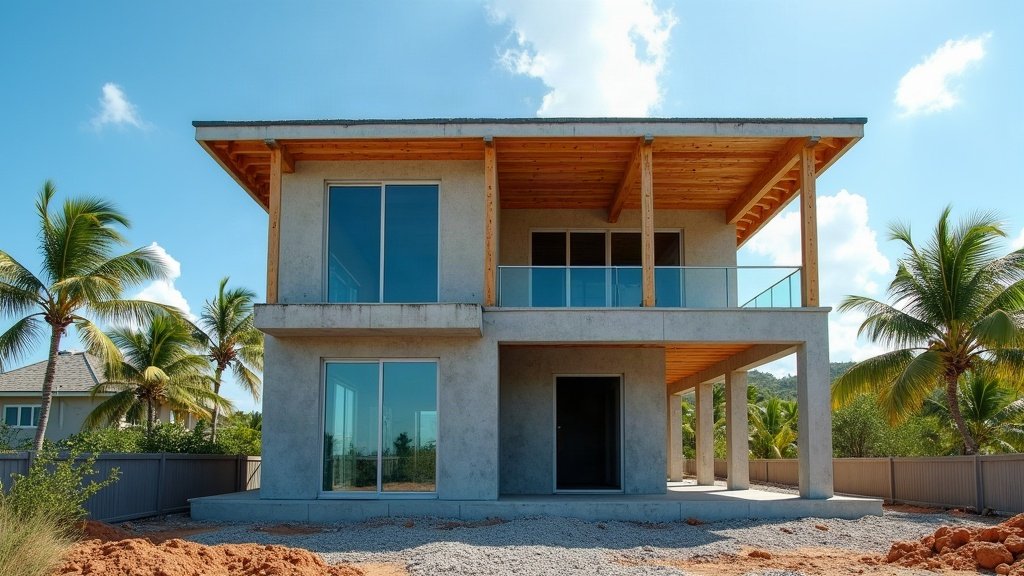
Building Climate-Resilient Homes and Commercial Properties in the Cayman Islands
The Cayman Islands faces unique environmental pressures that demand forward-thinking construction practices. Situated in the Atlantic hurricane belt, our islands experience intense seasonal weather systems, persistent salt air corrosion, high humidity, and extreme temperature fluctuations. Property owners and developers who ignore these realities invest in structures destined for premature deterioration, costly repairs, and potential safety risks.
Climate resilience in construction is no longer a luxury—it is a professional responsibility and a sound financial decision. Buildings designed and constructed to withstand our island environment perform better, retain value longer, and provide genuine security for occupants. The difference between a standard build and a resilient one often comes down to informed material selection, strategic design, proper installation standards, and adherence to local building codes.
This guide explores how property owners, developers, and businesses can integrate climate resilience into their construction and renovation projects, ensuring durability, safety, and long-term value in the Cayman Islands market.
What Climate Resilience Means in the Cayman Islands Context
Climate resilience in construction refers to a building’s ability to withstand, recover from, and adapt to environmental stressors without significant structural failure or loss of functionality. For the Cayman Islands, this translates to structures that can endure hurricane-force winds, resist salt spray degradation, manage moisture infiltration, and maintain integrity through extended periods of heat and humidity.
Unlike mainland jurisdictions where climate concerns may center on snow load or seismic activity, our islands face a specific constellation of challenges. Hurricane season runs from June through November, bringing winds that regularly exceed 100 mph in major events. Simultaneously, our tropical climate creates an aggressive corrosive environment where metal fasteners, reinforcement, and exposed structural elements deteriorate rapidly if not properly specified and maintained.
The Cayman Islands Building Code and Planning Department requirements establish minimum standards for wind resistance, water infiltration prevention, and structural performance. However, truly resilient construction often exceeds these baseline requirements, incorporating design strategies and materials that provide a substantial margin of safety and longevity beyond code minimums.
Key Benefits of Resilient Construction
- Extended Structure Lifespan: Resilient design and material selection significantly reduce maintenance cycles and defer major repairs by decades, protecting your investment.
- Hurricane and Storm Protection: Properly engineered roofing systems, impact-resistant openings, and reinforced connections keep occupants safe and minimize emergency repair costs after severe weather events.
- Reduced Insurance Premiums: Properties built to resilient standards often qualify for lower insurance rates, offsetting initial construction cost increases over time.
- Salt Corrosion Resistance: Strategic material selection—stainless steel fasteners, marine-grade sealants, and appropriate coatings—prevents the rapid degradation typical in island environments.
- Enhanced Property Value: Buyers and tenants increasingly recognize resilient properties as lower-risk, lower-maintenance assets that command stronger resale and rental premiums.
- Moisture Management: Proper ventilation, drainage, and waterproofing systems prevent the mold and structural decay that thrive in our humid climate.
- Regulatory Compliance and Beyond: Meeting and exceeding local building code requirements demonstrates professionalism and protects owners from liability and code violations.
Best Practices and Standards in the Cayman Islands
- Conduct a Site and Climate Risk Assessment: Before design begins, evaluate wind exposure, flood risk, storm surge potential, drainage patterns, and salt spray intensity at your specific location. Higher-elevation or exposed properties require more aggressive resilience measures than sheltered sites.
- Specify Marine-Grade or Stainless Steel Fasteners: Standard galvanized hardware fails prematurely in salt air. Upgrade all fasteners, flashing, and exposed metal to 304 or 316 stainless steel, particularly in coastal or exposed areas.
- Design Adequate Roof Pitch and Drainage: Flat roofs invite standing water and accelerate deterioration in our humid climate. Ensure proper slope, clear drainage paths, and high-quality waterproofing membranes rated for Caribbean conditions.
- Integrate Impact-Resistant Fenestration: Specify impact-rated windows and doors (tested to local hurricane standards) rather than relying on storm shutters as primary protection. Impact glass protects interiors from wind-driven rain and debris.
- Implement Continuous Air and Moisture Barriers: Use quality building wraps, sealants, and flashing details to create unbroken barriers against moisture infiltration. Humidity drives rot, mold, and structural failure in wood and composite materials.
- Elevate Critical Systems and Utilities: Position electrical panels, HVAC equipment, water heaters, and plumbing main lines above predicted flood levels. Elevated systems recover faster after storm surge or heavy rainfall events.
- Choose Durable, Low-Maintenance Materials: Prioritize materials proven to perform in tropical, salt-laden environments: fiber cement boards, composite trim, marine-grade plywood, and locally proven finishes over materials requiring frequent repainting or sealing.
- Ensure Proper Installation and Quality Control: Specify experienced, qualified installers familiar with island building practices. Poor installation nullifies even premium material specifications. Regular site inspections prevent costly rework.
Common Mistakes and How to Avoid Them
- Using Standard Galvanized Hardware in Coastal Areas: Galvanizing fails in 3–5 years under salt spray exposure. Invest in stainless steel throughout—the cost difference is modest compared to replacement labor.
- Underestimating Moisture Management: Many builders focus on wind resistance but neglect ventilation and drainage. Trapped moisture causes hidden rot and mold growth. Ensure adequate soffit venting, proper grading, and interior vapor management from design stage onward.
- Selecting Imported Materials Without Local Performance History: Attractive materials from cooler climates often fail prematurely under intense UV, heat, and humidity. Consult local contractors and material suppliers about proven alternatives.
- Deferring Quality for Initial Cost Savings: Cheap roofing, single-pane windows, or standard fasteners may meet minimum code but invite expensive repairs within years. Build to resilient standards upfront and recoup savings through durability and lower insurance costs.
- Ignoring Site Drainage and Grading: Poor drainage redirects water toward foundations, causing subsidence and structural issues. Proper grading and drainage systems are foundational to resilience and rarely warrant cost-cutting.
- Overlooking Preventive Maintenance Planning: Resilient buildings still require regular inspection, sealant renewal, and minor repairs. Establish and budget for maintenance schedules to preserve resilience over decades.
Verification Checklist for Resilient Construction
- All external fasteners, flashing, and metal components are stainless steel (304 or 316 grade) or equivalent marine-rated hardware.
- Roofing system includes proper slope, continuous waterproofing membrane, and documented wind uplift ratings meeting or exceeding Cayman Islands Building Code requirements.
- Windows, doors, and other openings are impact-rated and installed with reinforced frames and proper flashing that prevents water intrusion.
- Site grading directs surface water away from the foundation; drainage systems are clear and functional; low-lying areas have elevation or pump capacity for heavy rainfall.
- Building envelope includes continuous air barriers, interior vapor management, and adequate ventilation to prevent moisture accumulation and mold growth.
- Critical utilities and systems are positioned above predicted flood levels and protected from salt spray and moisture exposure.
Applications and Use Cases in the Cayman Islands
- Residential Properties and Family Homes: Homeowners building new or renovating existing residences benefit from resilient design that protects loved ones, reduces storm damage exposure, and lowers long-term maintenance burdens.
- Commercial Office and Retail Buildings: Businesses require structures that remain operational and protected during and after hurricanes. Resilience minimizes downtime, protects inventory, and demonstrates stewardship to employees and customers.
- Hospitality and Tourism Properties: Hotels, resorts, and guest accommodations depend on rapid recovery and minimal visible damage after storms. Resilient construction protects guest experience and revenue continuity.
- Multi-Unit Residential Developments: Developers building condominiums or apartment complexes achieve competitive advantage by offering durability guarantees, lower insurance pass-through costs, and enhanced resale value through resilient construction standards.
- Mixed-Use Development Projects: Large projects combining residential, retail, and office space benefit from coordinated resilience strategies that protect all components and minimize cross-building vulnerability.
- Renovation and Modernization Work: Property owners refreshing older structures have an excellent opportunity to upgrade envelope performance, roofing, and critical systems to current resilience standards, extending asset life and value.
How J&R Construction Approaches Climate-Resilient Building
At J&R Construction, resilience is embedded in every project phase, from initial design consultation through final quality verification. Our family-led team brings decades of hands-on experience building and renovating properties across the Cayman Islands, providing us with deep, practical knowledge of how our island environment challenges structures over time. We approach each project by first understanding the specific site conditions, intended use, and client priorities, then translating those insights into material selections, design details, and installation standards that exceed code minimums.
We partner with clients as trusted advisors, explaining the long-term value of resilient choices and helping them invest wisely. Whether designing new residential homes, managing commercial renovations, or overseeing large-scale development projects, we maintain rigorous quality control, specify proven materials, and employ installation methods refined through local experience. Our commitment to craftsmanship and accountability means your building will perform reliably for decades, protecting your investment and providing genuine peace of mind in our dynamic island climate.
Conclusion and Next Steps
Climate resilience in the Cayman Islands is not an optional upgrade—it is a foundational responsibility for any property owner, developer, or business seeking long-term value and safety. By understanding local environmental pressures, adopting proven best practices, and partnering with experienced builders who prioritize quality and durability, you create structures that endure, perform reliably, and protect your investment for generations.
Ready to build or renovate with resilience as your foundation? Contact J&R Construction today to discuss your project, site conditions, and resilience strategy. Our team is ready to help you navigate the planning and development process with expertise, transparency, and a commitment to excellence that reflects our island heritage and professional standards.
>
Leave a Reply