Understanding Residential Construction Costs in the Cayman Islands: A Practical Guide for Property Owners
Building or renovating a home in the Cayman Islands represents one of the most significant financial decisions a property owner will make. Yet many homeowners approach construction budgeting with incomplete information, leading to cost overruns, project delays and frustration. The true expense of residential construction extends far beyond material pricing—it encompasses labour, logistics, regulatory compliance, weather resilience and the unique challenges of island-based development.
Construction costs in the Cayman Islands are influenced by factors that mainland developers rarely encounter. The high cost of imported building materials, the impact of hurricane season on project timelines, stringent building code requirements and the limited availability of skilled trades all contribute to a pricing landscape that demands careful planning and expert guidance. Understanding these variables is essential before breaking ground.
This guide walks you through the components of residential construction costs, how they apply specifically to our island environment, and how to plan a budget that reflects reality rather than wishful thinking. Whether you’re building a primary residence, an investment property or a vacation home, clarity on cost drivers will help you make informed decisions with J&R Construction or any reputable builder.
What Construction Costs Are and Why They Matter in the Cayman Islands
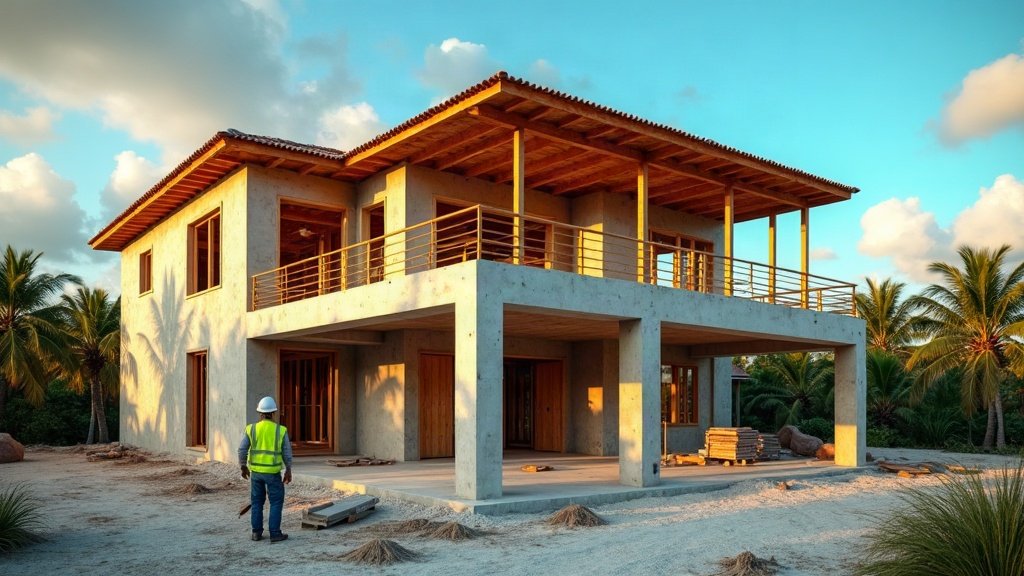
Residential construction costs are the total expenditures required to complete a building project from site preparation through final handover. This includes materials, labour, equipment, permits, inspections, insurance and contingency reserves. In the Cayman Islands, these costs are substantially higher than in North America or Europe due to our island geography and regulatory environment.
Why this matters goes beyond budget discipline. Understanding cost components helps you identify where your money is invested, negotiate effectively with contractors, prioritise features during design, and make strategic decisions about phasing or scaling. Property owners who comprehend construction economics make better choices about timing, scope and quality standards. They also communicate more effectively with their building team, reducing misunderstandings and change orders that drive expenses upward.
The Cayman Islands Building Code and Planning Department requirements mandate specific standards for structural integrity, hurricane resistance, drainage and environmental protection. These regulations increase construction costs compared to less stringent jurisdictions, but they protect your long-term investment. A home built to Cayman standards will withstand our tropical climate, salt air corrosion and seasonal storms far more reliably than one cut from a mainland template.
Key Benefits of Understanding Your Construction Budget
- Accurate Financial Planning: You avoid sticker shock by knowing realistic costs before committing capital. This allows you to secure appropriate financing and manage cash flow across project phases.
- Quality Prioritisation: When you understand where costs concentrate, you can invest strategically in high-impact areas—structural durability, hurricane-resistant features, finishes—rather than spreading resources thinly across all elements.
- Timeline Alignment: Transparent cost breakdowns often reveal time drivers. Projects delayed by permit review or material import schedules cost more. Understanding these factors helps you plan realistic completion dates.
- Risk Mitigation: Identifying cost volatility in import-dependent materials, labour availability and seasonal factors allows you to build appropriate contingency reserves and negotiate fixed-price contracts where possible.
- Contractor Accountability: When you understand construction costs, you can evaluate bids critically, identify unrealistic quotes and hold your builder accountable for the work delivered against agreed pricing.
- Resale Value Protection: Homes built to code with transparent, documented construction spending tend to appraise and sell more confidently in the Cayman Islands property market.
Best Practices and Standards for Managing Construction Costs in the Cayman Islands
- Obtain Detailed Written Quotes: Require itemised breakdowns from at least three qualified builders. Vague quotes hide problems. Each estimate should specify materials, labour rates, timeline, contingency percentage and conditions. Compare like with like.
- Engage Early Professional Planning: Retain an architect or designer before finalising your budget. Professional designs incorporate Cayman building code compliance from the start, avoiding costly revisions later. This investment typically saves 5–10% on total construction costs.
- Account for Island Logistics: Budget 4–8 weeks for material imports depending on the item. Factor shipping, customs clearance and port handling into your timeline and cost projections. Premium materials may arrive faster but at higher cost.
- Include Contingency Reserves: A contingency of 10–15% of your total budget is standard in the Cayman Islands, where weather disruptions and supply-chain variability are real. Some builders try to minimize this; resist that pressure.
- Verify Contractor Licensing and Insurance: Confirm your builder holds appropriate Cayman Islands licensing, valid liability insurance and workers’ compensation. This protects you legally and ensures professional standards. The Planning Department and local trade associations can verify credentials.
- Establish Clear Change Order Procedures: Agree in writing how modifications to scope will be priced and approved before work begins. This prevents disputes over extra costs mid-project.
Common Mistakes and How to Avoid Them
- Underestimating Labour Costs: Many mainland cost estimates assume labour rates that don’t reflect Cayman’s tight skilled trades market. Adjust upward by 30–50% compared to North American baselines. Local builders factor this accurately; generic online calculators do not.
- Ignoring Hurricane-Resistant Upgrades: Cutting costs on impact-resistant windows, roof bracing or drainage systems is false economy. Storm damage can wipe out savings instantly. Build to code and beyond.
- Overlooking Permit and Inspection Delays: Planning and Building Control reviews take time in the Cayman Islands. Budget extra weeks and account for potential revision cycles. Rushing approvals leads to errors and rework costs.
- Assuming All Materials Cost the Same: Import costs fluctuate with exchange rates, fuel prices and shipping availability. Lock in pricing on long-lead items early rather than hoping prices fall.
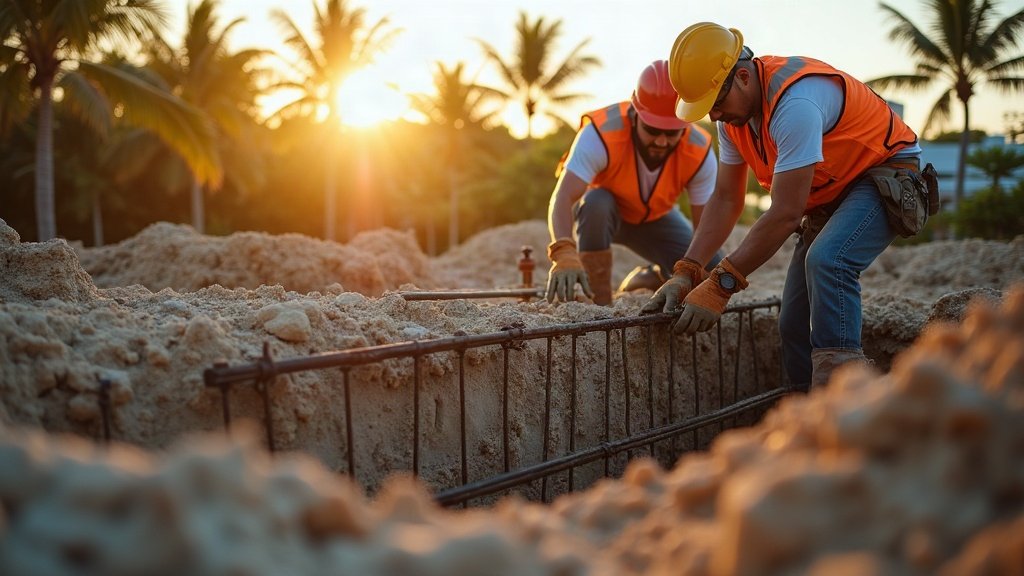
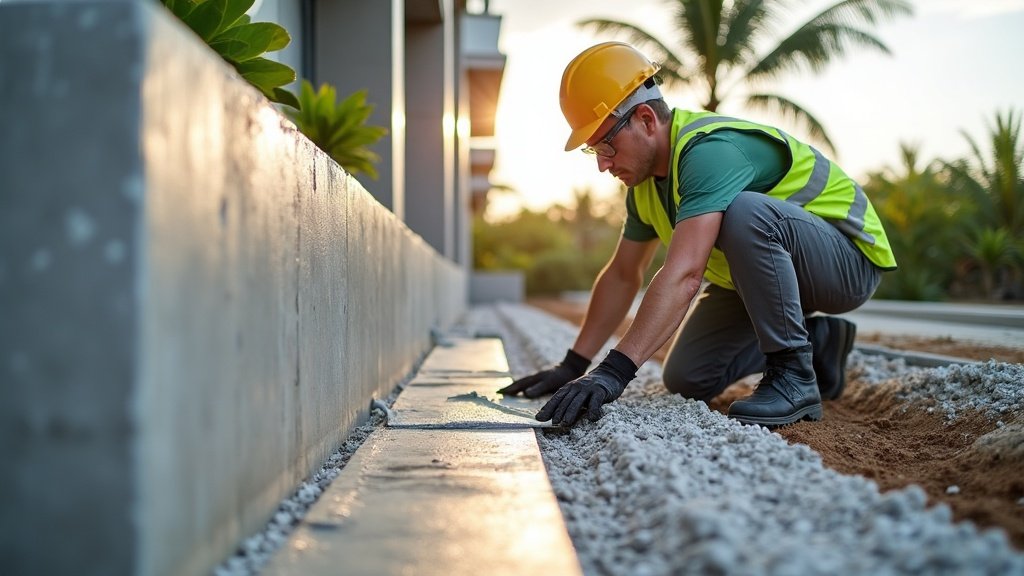
- Failing to Budget for Site Conditions: Corrosive salt air reduces lifespan of standard materials. Rock excavation or poor soil conditions require specialised foundation work. Site assessment before budgeting prevents mid-project shocks.
- Selecting an Unqualified Builder to Save Money: The cheapest bid often reflects cut corners, inexperience or underbidding to secure the job then charging change orders. Verify credentials, references and past projects carefully.
Verification Checklist for Your Construction Budget
- Obtain and compare at least three detailed, itemised quotes from licensed Cayman Islands builders with verifiable local references.
- Confirm your design complies with the Cayman Islands Building Code and Planning Department requirements before finalising costs.
- Verify all quoted material costs include freight, import duties and handling for items arriving from overseas.
- Confirm contingency reserves are included as a separate line item, not buried in other costs, at 10–15% of the base construction budget.
- Review the builder’s insurance certificates and licensing status with the relevant local authorities.
- Establish a written change order process and ensure both parties understand how scope modifications will be priced and approved.
Applications and Use Cases in the Cayman Islands
- Primary Residential Construction: Homeowners building new family residences must balance personal preferences with realistic Cayman costs. Understanding the cost breakdown helps prioritise features that enhance lifestyle and property value within budget constraints.
- Rental Investment Properties: Developers and investors need precise cost projections to calculate return on investment and financing feasibility. Transparent cost data enables confident acquisition and development decisions in our competitive property market.
- Commercial Residential Development: Multi-unit residential projects serving the tourism and expatriate markets demand strict cost control to meet financing terms and investor expectations. Professional budgeting is non-negotiable at this scale.
- Renovation and Remodeling: Existing homeowners upgrading kitchens, bathrooms or adding space face different cost dynamics than new construction. Material salvage, hidden structural issues and existing system integration all affect budgets differently.
- Hurricane-Resistant Retrofitting: Property owners strengthening existing homes against storm damage need clear cost information on impact-resistant upgrades, roof reinforcement and drainage improvements specific to island standards.
- Second-Home and Vacation Property Development: Non-resident owners purchasing land for personal or rental use must understand Cayman construction costs to evaluate development feasibility and pricing competitively in the short-term rental market.
How J&R Construction Approaches Residential Cost Management
At J&R Construction, we’ve built our reputation on transparent pricing and realistic budgeting for Cayman Islands residential projects. Our team understands the specific cost drivers of our island environment—from customs regulations on imported materials to the seasonal labour availability and the extended timelines required for weather-dependent work. We provide detailed, itemised estimates that account for these local realities rather than applying generic mainland formulas.
Our approach combines practical experience with professional discipline. We identify cost-saving opportunities without compromising quality or code compliance, we lock in pricing on long-lead items early to protect your budget, and we maintain open communication throughout construction so surprises are minimised. When we discuss your budget with you, we’re having a conversation about how to deliver the home you want within a realistic financial framework, not pushing you toward inflated specifications or false savings. This family-led approach has earned us the confidence of Cayman property owners, developers and investors for decades.
Conclusion
Building a home in the Cayman Islands is an investment that deserves careful financial planning grounded in local knowledge. The cost drivers unique to our island—imported materials, regulatory compliance, hurricane resilience and skilled labour availability—demand realistic budgeting from experienced builders who understand our market. By understanding what construction costs cover, why they’re higher here than elsewhere, and how to plan strategically, you position yourself for a successful project delivered on budget and on schedule.
If you’re considering residential construction or renovation in the Cayman Islands, start with a conversation with J&R Construction. We’ll walk through your project scope, timelines and budget expectations, providing the clarity and professional guidance you need to move forward with confidence. Contact us today for a consultation and a detailed estimate tailored to your specific project and our island environment.