
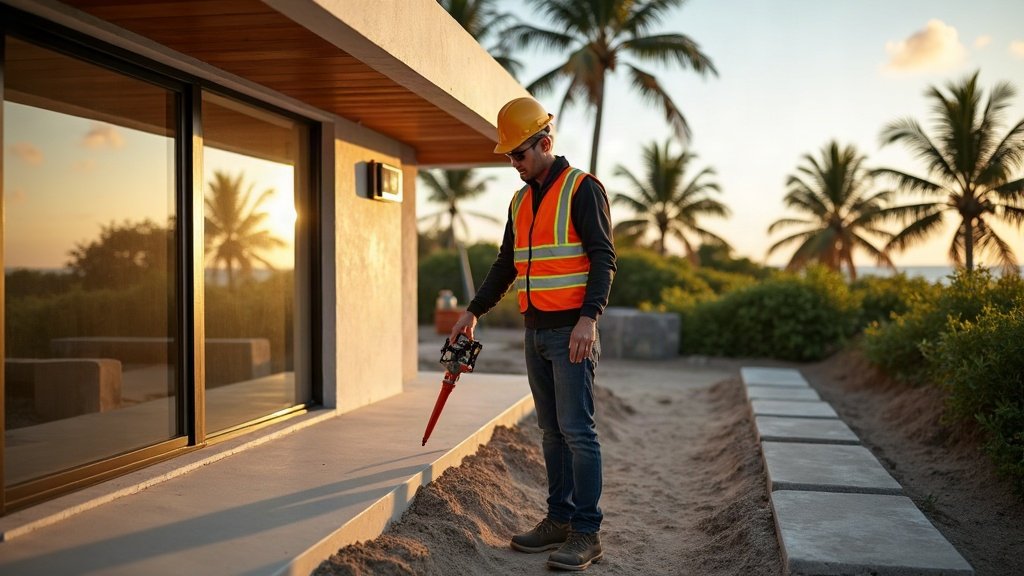
Building Resilient Structures in the Cayman Islands: A Guide for Property Owners and Developers
The Cayman Islands faces unique environmental pressures that demand more than standard construction practices. Situated in an active hurricane belt, exposed to relentless salt air corrosion, and subject to intense tropical humidity, every structure built here must be engineered for resilience. Yet many property owners and developers still approach construction with mainland or temperate-climate standards in mind, only to discover years later that their buildings deteriorate faster, require costly repairs, and fail to withstand the seasonal storms that define life on the island.
Resilient construction is not a luxury add-on—it is a fundamental requirement for any building project in the Cayman Islands. It encompasses the deliberate selection of materials, construction methodologies, and design principles specifically chosen to resist environmental stressors and extend building lifespan. When executed properly, resilient construction reduces long-term maintenance costs, protects occupant safety, preserves property value, and ensures compliance with Cayman Islands Building Code requirements.
Understanding and implementing resilient construction practices from project inception transforms how properties perform over decades. This guide walks property owners, developers, and investors through what resilience means in the Caribbean context, why it matters, and how to ensure your construction project is built to last.
What Resilient Construction Is and Why It Matters in the Cayman Islands
Resilient construction refers to the deliberate design, material selection, and building practices that enable structures to withstand environmental stressors, recover quickly from damage, and maintain functionality over extended periods. In the Cayman Islands, this specifically addresses hurricane-force winds, salt spray corrosion, high humidity, tropical rainfall, and the challenges of working with imported materials in an island environment.
The Cayman Islands Building Code establishes minimum standards for structural integrity and safety, but truly resilient construction exceeds these baselines. A resilient building performs better during hurricanes, experiences less weather-related deterioration between storms, requires fewer emergency repairs, and maintains its structural integrity and appearance longer than conventionally constructed properties.
For homeowners, this means less frequent costly repairs and greater peace of mind during hurricane season. For commercial property owners and developers, resilience directly affects insurance premiums, tenant retention, property valuations, and long-term return on investment. For investors considering the Cayman Islands market, resilient properties command premium pricing and attract quality tenants seeking secure, well-maintained facilities.
Key Benefits of Resilient Construction
- Extended structural lifespan: Properties built with resilient principles experience slower deterioration from salt air and humidity, reducing major repairs and replacements over 20, 30, or 40+ year periods.
- Reduced storm damage: Hurricane-resistant framing, impact-resistant glazing, and engineered connections minimize damage during high-wind events, protecting both structure and contents.
- Lower insurance costs: Insurers recognize resilient construction and often offer reduced premiums for certified storm-resistant features and proper maintenance protocols.
- Enhanced property value: Buyers and tenants increasingly prioritize resilience; documented resilient construction practices strengthen resale value and rental appeal.
- Decreased maintenance burden: Materials selected for their resistance to corrosion and humidity degrade more slowly, reducing the frequency and expense of repairs and repainting.
- Regulatory compliance: Resilient practices align with and often exceed Cayman Islands Building Code and Planning Department requirements, streamlining permitting and inspections.
- Occupant safety: Structures designed to remain stable and secure during extreme weather protect lives and reduce liability exposure for owners.
Best Practices and Standards in the Cayman Islands
- Specify corrosion-resistant materials throughout: Use marine-grade stainless steel fasteners, hardware, and structural connections. Avoid standard carbon steel in exposed locations. Upgrade metal roofing systems to hot-dip galvanized or Zincalume finishes. Specify treated wood or composite alternatives in salt-spray zones. These investments prevent rust staining, structural weakness, and premature replacement.
- Design for wind resistance and proper drainage: Work with engineers familiar with Cayman Islands wind load requirements and the Planning Department’s design standards. Ensure roofing systems are properly engineered for attachment, and design roof overhangs and fascias to shed water quickly. Poor drainage accelerates mold, rot, and interior damage after heavy rainfall or storm surge.
- Choose humidity-resistant finishes and sealants: Use exterior-grade paint systems rated for tropical climates. Apply quality sealants to all penetrations, joints, and connections. Select interior finishes that resist moisture absorption and mold growth. High humidity in enclosed spaces promotes mildew and structural decay if materials are not properly specified.
- Implement impact-resistant windows and doors: Specify impact-resistant glass assemblies tested to hurricane standards. Ensure frames are securely anchored to structural elements. Provide permanent storm protection or install systems that allow rapid deployment during hurricane watches.
- Use proper flashing and moisture barriers: Install comprehensive flashing at roof penetrations, around windows and doors, and at wall transitions. Specify breathable moisture barriers that prevent water infiltration while allowing vapor transmission. Improper flashing is a leading cause of interior water damage and structural rot in island properties.
- Engage local expertise from project inception: Collaborate with architects, engineers, and contractors experienced in Cayman Islands construction. Local professionals understand site-specific challenges, material availability, weather patterns, and regulatory requirements that mainland consultants may overlook.
Common Mistakes and How to Avoid Them
- Specifying mainland or temperate-climate materials: Standard interior paint, regular fasteners, and ordinary wood treatments deteriorate rapidly in Caribbean salt air and humidity. Always specify materials rated for tropical or marine environments. Consult your contractor and material suppliers early to confirm suitability for the Cayman Islands climate.
- Underestimating the impact of salt spray: Many property owners don’t realize how far inland salt air travels or how aggressively it corrodes unprotected metals and finishes. Assume salt spray reaches all exposed elements; don’t reserve corrosion-resistant specifications only for beachfront properties.
- Delaying resilience planning until after design is complete: Resilience must inform material selection, structural design, and site planning from the very beginning. Retrofitting resilient features into an already-designed building is expensive and often ineffective. Engage resilience planning during concept and schematic design phases.
- Ignoring drainage and moisture management: Builders sometimes cut corners on flashing, sealing, and drainage systems to reduce costs. This almost always results in interior water damage, mold, and structural deterioration within a few years. Proper moisture management is non-negotiable in the Caribbean.
- Failing to maintain resilient features: A resilient building still requires regular maintenance. UV exposure degrades sealants, salt spray deposits require washing, and drainage systems need clearing. Establish and follow a maintenance schedule from day one to preserve the benefits of resilient construction.
Verification Checklist: Ensuring Your Project Is Built Resilient
- Confirm all fasteners, hinges, brackets, and metal hardware are marine-grade stainless steel or equivalent corrosion-resistant specification.
- Verify that exterior paint, sealants, and coating systems carry a tropical or marine climate rating and are appropriate for salt-spray exposure.
- Review structural drawings and roofing plans with your engineer to confirm wind-load calculations meet or exceed Cayman Islands Building Code standards and include proper attachment and fastening details.
- Walk the building exterior with your contractor to identify and document all penetrations, transitions, and vulnerable areas; confirm flashing and sealant specifications for each location.
- Request material certifications and test reports demonstrating that windows, doors, and impact-resistant components meet hurricane impact standards and are properly certified.
- Establish a maintenance schedule with your contractor or property manager, specifying inspection intervals, cleaning protocols, sealant reapplication timelines, and drainage system clearing frequency.
Applications and Use Cases in the Cayman Islands
Residential homes and condominiums: Homeowners benefit directly from reduced maintenance, fewer storm-related repairs, lower insurance premiums, and the confidence that their families are housed in structures engineered to protect them. Resilient residential properties also maintain value better through market cycles and appeal to quality renters during owner-occupancy transitions.
Commercial office buildings and retail centers: Businesses require facilities that remain operational and presentable year-round. Resilient construction minimizes disruption from weather-related maintenance, protects tenant operations, and reduces the likelihood of urgent, expensive repairs that disrupt business continuity.
Hospitality properties and vacation rentals: Hotels, resorts, and short-term rental properties depend on guest satisfaction and operational reliability. Resilient construction protects guest experience, reduces downtime between bookings due to maintenance, and supports competitive positioning in a market where weather resilience is an increasingly important factor in guest choice.
Industrial and warehouse facilities: Facilities storing valuable inventory or housing critical operations require structural integrity and protection from water intrusion. Resilient construction safeguards inventory, reduces loss from weather events, and maintains the integrity of mechanical and electrical systems.
Mixed-use and development projects: Developers planning multi-phase or complex projects benefit from establishing resilience standards across the entire portfolio, ensuring consistency, simplifying material procurement and contractor training, and creating marketable properties that attract quality tenants and investors.
How J&R Construction Approaches Resilient Building
At J&R Construction, resilience is embedded in how we approach every residential and commercial project. With deep roots in the Cayman Islands community and decades of hands-on experience navigating our unique climate, we understand that true value is built over decades, not just during the initial construction phase. From project inception through final walk-through, we collaborate with you to specify materials, design details, and construction practices that protect your investment against the environmental stressors that define Caribbean living and working.
Our approach begins with education and partnership. We take time to discuss your long-term expectations, explain the trade-offs between initial cost and lifecycle performance, and recommend resilience strategies tailored to your specific location, use, and budget. Our teams are trained in proper installation of corrosion-resistant materials, flashing systems, and moisture management details. We maintain relationships with trusted suppliers who understand the Cayman Islands market and can reliably source marine-grade and tropical-rated products. When your project is complete, we provide guidance on maintenance protocols that preserve your resilient features and protect your long-term investment.
Conclusion: Invest in Resilience Today
Resilient construction is not an optional upgrade or a trendy concept—it is a practical, cost-effective strategy for protecting your property investment in the Cayman Islands. By specifying appropriate materials, implementing proven construction details, and engaging experienced local professionals, you ensure that your building performs better, lasts longer, and serves your needs reliably for decades to come.
Whether you are planning a new residence, developing a commercial property, or renovating an existing facility, the time to prioritize resilience is now. Reach out to the team at J&R Construction today. We are ready to discuss your project, answer your questions about resilient building practices, and help you build a structure engineered to thrive in the Cayman Islands.
Leave a Reply