
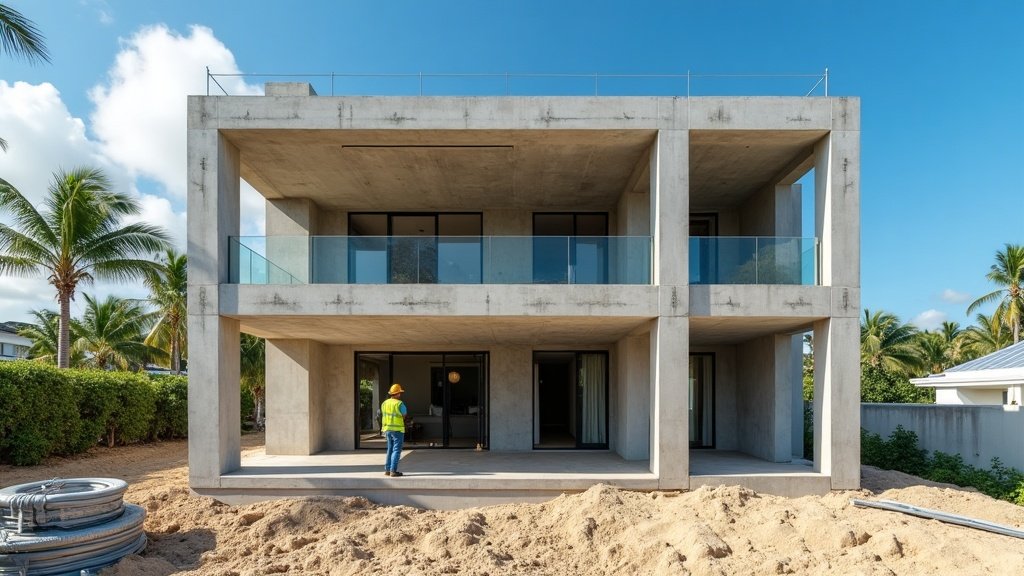
Sustainable Building Design and Construction in the Cayman Islands: Building for Climate Resilience and Environmental Responsibility
The Cayman Islands faces a unique set of environmental pressures that make sustainable building design and construction not merely a trend, but a practical necessity. Property owners and developers operating in our Caribbean climate must contend with intense hurricane seasons, salt-laden air that accelerates corrosion, persistent humidity that compromises structural integrity, and rising sea levels that threaten coastal properties. Traditional construction approaches often result in higher operational costs, reduced building lifespan, and increased vulnerability to the very climate forces we cannot control. Modern sustainable construction practices, however, offer a proven pathway to stronger, more durable buildings that cost less to operate while aligning with international environmental standards and Cayman Islands Planning Department guidelines.
Sustainable building design extends beyond environmental virtue signaling. For property owners and investors in the Cayman Islands, it translates directly into measurable returns: reduced energy consumption in our tropical heat, extended material lifespan in our corrosive salt environment, lower maintenance costs over the building’s lifetime, and enhanced property value as demand for resilient, efficient buildings continues to rise. Whether you are developing residential properties, managing commercial facilities, or planning a renovation project, understanding and implementing sustainable construction principles is essential to protecting your investment.
This guide explores what sustainable building design means in the Cayman Islands context, why it matters for our specific climate challenges, and how responsible property owners and developers can integrate these principles into their projects without compromise on quality or timeline.
What Sustainable Building Design Is and Why It Matters in the Cayman Islands
Sustainable building design encompasses the planning, construction, and operation of buildings in ways that minimize environmental impact, reduce resource consumption, and enhance resilience to climate extremes. In the Cayman Islands, this means designing structures that withstand hurricane-force winds, resist salt-air corrosion, manage tropical humidity effectively, and operate efficiently in our year-round warm climate.
The Caribbean’s environmental conditions make sustainability a matter of practicality rather than ideology. Our imported building materials arrive at significant cost and environmental expense; choosing durable, locally appropriate materials reduces both waste and repeat replacement cycles. Our hurricane season demands construction methods that exceed minimum code requirements; sustainable design inherently prioritizes structural integrity and weather resistance. Our salt air and moisture-rich atmosphere accelerate material degradation; sustainable material selection prioritizes longevity and resistance to corrosion.
The Cayman Islands Building Code establishes baseline requirements for structural safety and performance. Sustainable design builds upon this foundation, integrating energy efficiency, water conservation, waste reduction, and climate adaptation strategies that protect your property and reduce operational costs over decades of service.
Key Benefits of Sustainable Building Construction
- Energy efficiency: Proper insulation, reflective roofing materials, strategic window placement, and efficient HVAC systems dramatically reduce cooling costs in our tropical climate, often delivering 30-40% energy savings compared to standard construction.
- Enhanced durability: Sustainable material selection prioritizes weather resistance, salt-air compatibility, and resistance to moisture infiltration, extending building lifespan and reducing repair costs in our challenging Caribbean environment.
- Lower operational costs: Reduced energy demand, decreased water consumption, and minimized maintenance requirements translate to significant cost savings across the building’s lifetime, improving return on investment for owners and developers.
- Improved indoor air quality: Non-toxic materials, proper ventilation design, and humidity control create healthier indoor environments, particularly important in our humid climate where mold and moisture issues can develop rapidly.
- Increased property value: Buyers and tenants increasingly seek sustainable, resilient properties; energy-efficient, well-designed buildings command higher prices and attract quality long-term occupants.
- Climate resilience: Sustainable design incorporates storm hardening, elevated structures, superior drainage, and reinforced envelope integrity that protect against hurricanes, flooding, and sea-level rise—critical for Caribbean property protection.
- Regulatory alignment: Projects designed to sustainable standards align smoothly with Cayman Islands Planning Department requirements and international best practices, reducing approval timelines and redesign costs.
Best Practices and Standards in the Cayman Islands
- Conduct a climate and site analysis early: Before design begins, assess your specific property’s exposure to wind, storm surge, salt spray, and moisture. Understanding local microclimate conditions informs material selection and structural design decisions that protect your investment from day one.
- Select materials with Caribbean durability in mind: Prioritize corrosion-resistant options such as marine-grade stainless steel fasteners, powder-coated aluminum, fiber cement boards, and salt-tolerant concrete finishes. Imported materials should be specified for tropical performance, not mainland climate conditions.
- Design for passive climate control: Leverage prevailing trade winds, strategic shading, cross-ventilation, and thermal mass to reduce reliance on air conditioning. This approach reduces energy costs while improving occupant comfort and resilience during utility disruptions.
- Implement superior envelope integrity: Invest in high-quality waterproofing, sealed penetrations, and moisture barriers that prevent salt air infiltration and humidity damage. In our climate, a robust building envelope is not optional—it is foundational to long-term performance.
- Plan for water management: Design proper drainage, elevated structures, and stormwater management systems that prevent flooding and water damage. This is particularly critical given our hurricane season and increasing storm intensity.
- Engage qualified professionals early: Sustainable design requires coordination between architects, structural engineers, and experienced builders. Work with professionals familiar with Cayman Islands conditions and Building Code requirements from project conception.
Common Mistakes and How to Avoid Them
- Applying mainland design principles to Caribbean conditions: Correction: Partner with builders and designers experienced in tropical construction. What works in temperate climates often fails under intense sun, salt air, and hurricane forces. Local expertise is not optional.
- Prioritizing upfront cost over lifetime value: Correction: Evaluate materials and systems on total cost of ownership, not initial price. Sustainable choices often cost more initially but deliver significant savings through reduced energy consumption and extended lifespan, improving long-term financial performance.
- Underestimating humidity and moisture challenges: Correction: Specify moisture barriers, ventilation systems, and drainage solutions from the outset. Addressing moisture problems after construction is far more expensive and disruptive than building protection into your design.
- Overlooking hurricane preparation in design: Correction: Ensure all structural systems, roof connections, and envelope details exceed minimum code requirements. Hurricane-resistant design protects your investment and reduces insurance costs.
- Failing to specify salt-tolerant materials: Correction: Request material certifications and performance data specific to salt-air environments. Standard materials will corrode rapidly; marine-grade specifications are essential for Cayman Islands construction.
Verification Checklist
- Confirm all structural designs and material specifications comply with the Cayman Islands Building Code and Planning Department requirements for your property category and location.
- Verify that windows, doors, and roof systems carry hurricane impact ratings and salt-air performance certifications appropriate to our environment.
- Ensure moisture barriers, drainage systems, and ventilation design are specified throughout the building envelope to prevent water infiltration and humidity damage.
- Review energy modeling and HVAC design to confirm cooling efficiency targets align with tropical climate demands and cost-reduction goals.
- Confirm all fasteners, exterior hardware, and embedded metals are marine-grade stainless steel or powder-coated to resist salt-air corrosion.
- Schedule pre-construction meetings with your builder to confirm understanding of sustainable specifications and tropical construction best practices.
Applications and Use Cases in the Cayman Islands
- Residential developments: Sustainable design creates homes that maintain comfortable temperatures year-round, resist hurricane damage, and deliver lower utility bills—features increasingly demanded by buyers and essential for investment property appeal.
- Commercial and hospitality properties: Hotels, restaurants, and office buildings benefit enormously from energy efficiency and storm resilience, reducing operational costs while enhancing guest experience and asset protection.
- Coastal and waterfront properties: Properties exposed to salt spray and storm surge require the most rigorous sustainable design; superior materials and construction methods are non-negotiable for long-term viability.
- Renovation and retrofit projects: Older buildings can be significantly improved through envelope upgrades, energy-efficient HVAC systems, and moisture control enhancements that extend lifespan and reduce operational costs.
- Multi-unit residential complexes: Condominiums and apartment buildings achieve operational savings and maintenance cost reductions through sustainable design, directly improving owner return and resident satisfaction.
How J&R Construction Approaches Sustainable Building Design
At J&R Construction Ltd., we recognize that sustainable building design in the Cayman Islands is fundamentally about building intelligently for our specific environment. With decades of family-led expertise in residential and commercial construction across the islands, we have developed deep knowledge of what actually performs in our climate. We approach every project—whether new construction, renovation, or commercial development—with a commitment to material durability, structural resilience, and operational efficiency that reflects our understanding of Caribbean conditions and our responsibility to our clients’ long-term interests.
Our project management and building services integrate sustainable principles from initial planning through final delivery. We work closely with architects and engineers to specify appropriate materials, design climate-responsive systems, and implement construction methods that honor both Cayman Islands Building Code requirements and modern best practices. We understand that sustainable design is not a cost burden—it is smart investment management that protects your property, reduces operational expenses, and delivers lasting value to your business or family.
Conclusion
Sustainable building design is not an environmental luxury in the Cayman Islands—it is a practical requirement for creating properties that withstand our unique climate challenges, operate efficiently, and maintain their value over decades. Whether you are planning new construction, managing a renovation, or developing commercial real estate, integrating sustainable principles from the outset protects your investment and positions your property for long-term success.
Ready to build smarter? Contact J&R Construction Ltd. today to discuss how sustainable design principles can enhance your next project. Our team brings local expertise, proven methods, and genuine commitment to delivering buildings that perform beautifully and reliably in the Cayman Islands environment. Let us help you build for the future.
Leave a Reply