
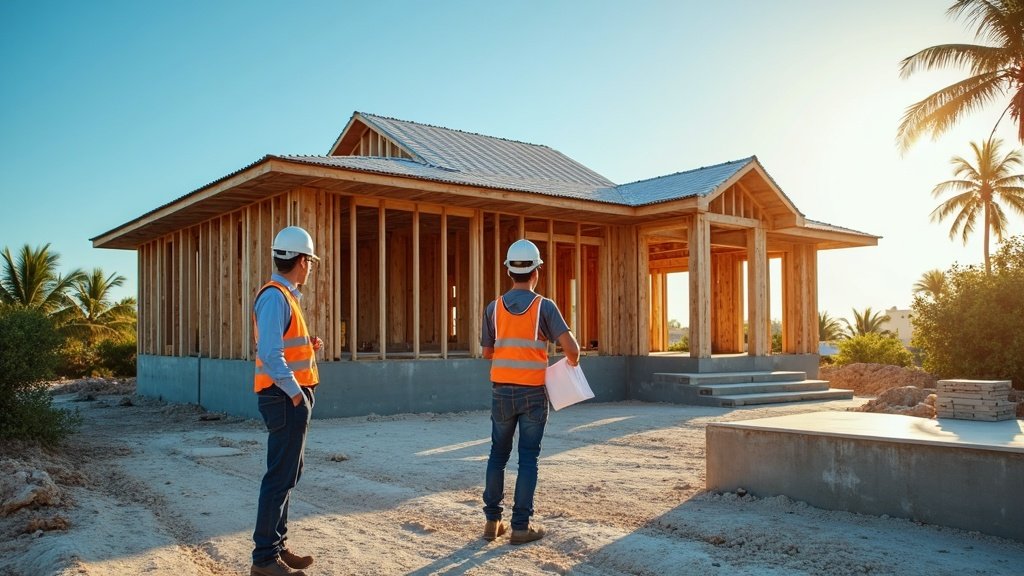
Designing Climate-Resilient Homes for Cayman Islands Hurricane Season: Expert Strategies for Long-Term Protection
Living in the Cayman Islands means embracing both the beauty of Caribbean island life and the reality of hurricane season. Between June and November each year, property owners face the genuine threat of severe weather that can devastate inadequately designed or poorly constructed homes. The financial and emotional toll of hurricane damage extends far beyond repair costs—it disrupts lives, displaces families, and undermines the security homeowners expect from their investment.
Yet many residential properties in Grand Cayman and the Sister Islands remain vulnerable due to outdated construction practices, insufficient structural reinforcement, or design choices that fail to account for our unique environmental pressures. Beyond hurricanes, the combination of salt air corrosion, intense humidity, and tropical weather creates a perfect storm for material degradation and structural compromise over time.
The good news is that climate-resilient design is not an expensive luxury—it’s a practical investment that integrates proven architectural and engineering principles into the homes we build and renovate. When executed correctly, resilient design protects your property, reduces long-term maintenance costs, and provides the peace of mind that matters most when storm season arrives.
What Climate-Resilient Home Design Is and Why It Matters in the Cayman Islands
Climate-resilient design refers to the deliberate integration of structural, material, and architectural strategies that enable buildings to withstand extreme weather events and environmental stressors while maintaining functionality and safety. In the Cayman Islands context, this means designing homes that can endure hurricane-force winds, heavy rainfall, salt spray corrosion, and high humidity without compromising structural integrity or requiring excessive repairs.
The Cayman Islands Building Code and Planning Department requirements establish baseline standards for new construction, but truly resilient design goes beyond minimum compliance. It anticipates future climate variability, incorporates durable material selections suited to our tropical marine environment, and employs architectural details that manage water ingress, wind uplift, and structural movement. For property owners, this translates into a home that performs reliably during crisis and maintains its value through decades of Caribbean weather exposure.
Key Benefits of Climate-Resilient Home Design
- Structural durability: Reinforced framing, proper anchoring, and engineered connections resist hurricane-force winds and prevent catastrophic failure during severe storms.
- Reduced insurance premiums: Homes built to elevated resilience standards often qualify for insurance discounts, offsetting initial investment costs over time.
- Lower maintenance requirements: Strategic material selection and water management details minimize salt corrosion, mold growth, and weather-related deterioration common in Caribbean climates.
- Enhanced property value: Buyers and investors increasingly recognize resilient design as a premium feature that protects long-term asset worth.
- Improved safety and comfort: Resilient design prioritizes occupant protection during emergencies and maintains livability in high heat and humidity conditions year-round.
- Faster recovery and business continuity: For commercial properties and investment homes, resilient design minimizes downtime and damage, protecting rental income and operational continuity.
Best Practices and Standards for Climate-Resilient Design in the Cayman Islands
- Engage qualified structural engineers early: Involve engineers during the initial design phase rather than as an afterthought. Their expertise ensures that architectural vision and structural safety work together seamlessly.
- Prioritize elevated construction: Raise living spaces above base flood elevation to minimize water intrusion and flooding impact. Cayman Islands regulations increasingly encourage this practice, particularly in low-lying areas.
- Specify hurricane-resistant roofing and fastening systems: Use roof coverings rated for high wind performance and ensure proper fastening intervals that exceed minimum code requirements. Wind uplift is a primary failure point in hurricanes.
- Design for water management: Install comprehensive drainage systems, seal penetrations rigorously, and employ roof and wall details that shed water aggressively rather than allowing it to pool or penetrate.
- Select corrosion-resistant materials: Choose stainless steel, hot-dip galvanized, or powder-coated hardware and fasteners. Salt air accelerates corrosion of standard steel, compromising both aesthetics and function.
- Evaluate window and door performance ratings: Specify impact-resistant or hurricane-rated fenestration that meets current testing standards. Windows and doors are vulnerable points during severe weather.
Common Mistakes and How to Avoid Them
- Underestimating water intrusion risk: Many homeowners focus on wind resistance but neglect comprehensive water management. Heavy rainfall and storm surge create water pressure against walls and roofs; address both through proper grading, flashing details, and sealant strategies.
- Using standard fasteners in salt-air environments: Galvanized fasteners still corrode faster than necessary in Caribbean conditions. Specify marine-grade stainless steel for all exterior connections and hardware to prevent premature failure.
- Skipping professional engineering review: Cost-conscious builders sometimes bypass engineering certification. This false economy creates liability, violates Cayman Islands Building Code requirements, and leaves properties inadequately protected.
- Failing to detail roof-to-wall connections properly: Inadequate connection between roof structure and walls is a leading cause of roof failure in hurricanes. Ensure connections are engineered, installed to specification, and inspected before closing.
- Overlooking humidity and moisture control in design: Year-round humidity in the Cayman Islands promotes mold, material degradation, and structural damage. Ensure adequate ventilation, vapor barriers, and moisture-resistant materials are integrated throughout the home.
Verification Checklist for Climate-Resilient Home Design
- Confirm that structural design has been completed by a qualified professional engineer and stamped in accordance with Cayman Islands standards.
- Verify that roof-to-wall connections, wall-to-foundation connections, and all structural fasteners are specified for marine environments and documented in construction drawings.
- Ensure that window and door assemblies carry impact-resistance or hurricane-resistance ratings appropriate for Cayman Islands hurricane zone requirements.
- Review comprehensive drainage and water management details for roof, exterior walls, foundations, and site grading before construction begins.
- Confirm that all fasteners, hardware, and metal components are stainless steel or equivalent corrosion-resistant materials suitable for salt-air exposure.
- Schedule third-party inspections of critical structural connections and roofing system installation before final sign-off.
Applications and Use Cases in the Cayman Islands
- New residential construction: First-time homebuyers and custom home builders integrate resilient design from the foundation up, establishing protection for 50+ years of Caribbean weather exposure.
- Commercial properties and hospitality: Hotels, offices, and retail buildings require resilient design to maintain operational continuity, protect guest and employee safety, and preserve revenue during and after storm events.
- Investment properties and rental homes: Owners protecting long-term rental income prioritize durability and low maintenance, as resilient design minimizes vacancy periods caused by weather damage and repair requirements.
- Renovations and retrofits: Older homes and commercial buildings can be retrofitted with resilient upgrades including roof reinforcement, enhanced fastening systems, and improved water management—protecting existing investments without full reconstruction.
- Multi-unit residential developments: Developers building apartment complexes and townhome communities adopt climate-resilient standards to reduce liability exposure, satisfy lender requirements, and appeal to quality-conscious buyers.
How J&R Construction Approaches Climate-Resilient Design
At J&R Construction Ltd., we understand that building in the Cayman Islands demands more than compliance with baseline codes—it demands respect for our climate and commitment to craftsmanship that protects our clients’ most valuable assets. Our team brings decades of experience managing residential and commercial construction projects through multiple hurricane seasons. We work closely with structural engineers, material specialists, and regulatory consultants to ensure that every project integrates proven resilience strategies without compromising aesthetic vision or budget control.
Whether you’re planning new construction, renovating an existing home, or retrofitting a commercial property, we approach climate-resilient design as an investment in your peace of mind. We specify materials rated for salt-air environments, detail connections for wind and water resistance, and coordinate third-party inspections that verify performance before you occupy the space. Our reputation rests on homes and buildings that stand strong when storm season arrives and perform reliably for decades of Caribbean living.
Conclusion
Climate-resilient design is not optional in the Cayman Islands—it’s essential. The combination of hurricane risk, salt corrosion, and tropical humidity creates environmental pressures that demand thoughtful, engineered solutions integrated into the building from conception through completion. When you invest in climate-resilient design, you’re not spending extra—you’re spending smart, protecting your property’s long-term value and your family’s safety.
Ready to build or renovate with confidence? Contact J&R Construction Ltd. today to discuss how climate-resilient design strategies can protect your residential or commercial property. Our team will walk you through the process, connect you with the specialists you need, and deliver a finished project built to endure whatever the Caribbean season brings. Call us or visit our office in Grand Cayman to start your project consultation.
Leave a Reply