
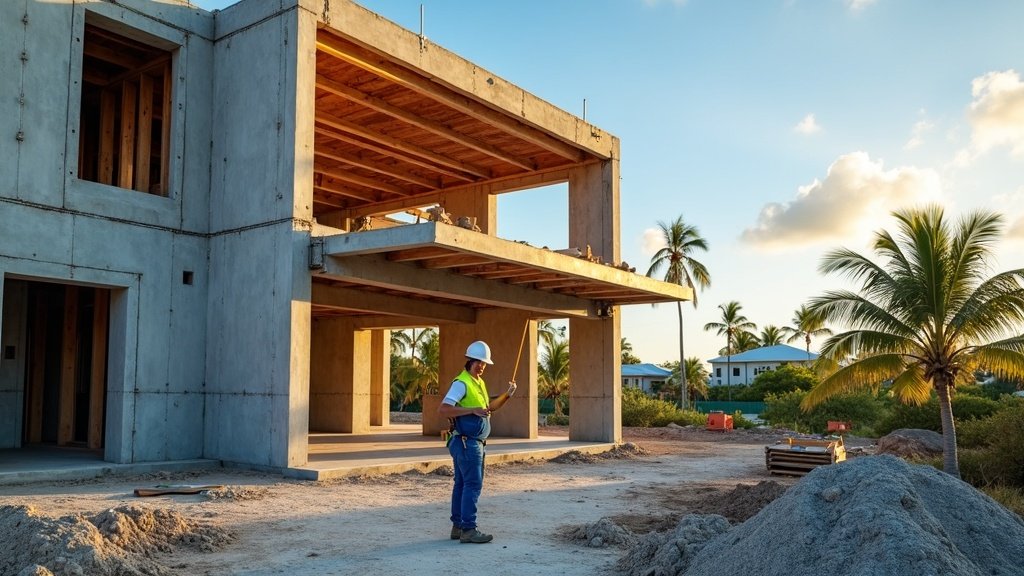
The Custom Home Building Process: A Complete Guide for Cayman Islands Property Owners
Building your dream home is one of the most significant investments you’ll make as a property owner in the Cayman Islands. Yet many homeowners embark on this journey without fully understanding the steps involved, the timeline required, or the regulatory landscape they must navigate. The result is often budget overruns, delays, and compromised quality—outcomes that can be avoided with proper planning and expert guidance.
The custom home building process is far more than simply selecting a lot and breaking ground. It encompasses site assessment, architectural design, securing approvals from the Cayman Islands Planning Department, managing material procurement in an island environment, coordinating trades, and navigating the unique challenges posed by our Caribbean climate. Each phase demands attention to detail and adherence to the Cayman Islands Building Code.
This guide walks you through the complete custom home building process, highlighting the considerations specific to building in the Cayman Islands and explaining how professional project management transforms a vision into a structurally sound, compliant, and beautiful home.
What It Is and Why It Matters
The custom home building process is a structured, multi-phase approach to constructing a residential property tailored to the owner’s specifications, preferences and site conditions. Unlike modular or semi-custom homes, a fully custom build allows for complete personalization—from architectural design and material selection to layout and finishes.
In the Cayman Islands, this process carries specific importance. Our island location means material sourcing requires lead time and logistical coordination. Our hurricane season demands construction methods that prioritize wind resistance and structural integrity. The salt air environment necessitates careful material selection to resist corrosion. Humidity and tropical conditions affect everything from foundation requirements to ventilation standards. Additionally, all construction must comply with the Cayman Islands Building Code and secure Planning Department approvals before work begins.
Understanding this process protects your investment, ensures code compliance, prevents costly rework, and delivers a home built to withstand the Cayman climate for decades.
Key Benefits
- Complete Personalization: Design every aspect of your home to match your lifestyle, aesthetic preferences and functional needs rather than compromising on a pre-designed template.
- Optimized Site Utilization: Architects and builders work with your specific lot to maximize views, natural light, outdoor space and structural efficiency while respecting setback requirements and planning restrictions.
- Climate-Appropriate Design: Custom construction allows integration of hurricane-resistant framing, salt-resistant materials, optimal ventilation for humidity control, and drainage solutions suited to Cayman’s rainfall patterns.
- Quality Control: You select materials, finishes and contractors directly or through your builder, ensuring standards meet your expectations rather than accepting pre-specified options.
- Long-Term Value: A well-built custom home with thoughtful design and quality construction commands stronger resale value and requires fewer costly repairs over time.
- Regulatory Compliance: Professional builders manage all Planning Department submissions, Building Code compliance reviews and inspections, reducing your legal and financial risk.
Best Practices and Standards in the Cayman Islands
- Start with Site Assessment and Survey: Before design begins, commission a professional survey and environmental assessment. Understand soil conditions, drainage patterns, elevation, utilities access, and any environmental constraints. This foundation prevents costly design revisions later.
- Engage Architects and Engineers Early: Hire local architects familiar with Cayman’s Building Code, hurricane design standards, and Planning Department expectations. They’ll design with compliance in mind from the outset, not as an afterthought.
- Secure Planning Approval Before Construction: Submit detailed plans to the Planning Department well before construction begins. Budget 6–12 weeks for review and potential revisions. Never break ground without written approval; violations carry penalties and potential work stoppages.
- Plan Material Procurement with Lead Times: Island logistics mean imported materials can take 6–8 weeks to arrive. Identify long-lead items (structural steel, specialized windows, fixtures) early and order them well ahead of when they’re needed on-site.
- Specify Hurricane-Resistant Construction: Ensure plans include impact-resistant windows and doors, roof-to-wall connections rated for sustained winds, reinforced concrete foundations, and proper roof pitch. These aren’t optional in Cayman; they’re essential.
- Choose Salt-Resistant and Corrosion-Resistant Materials: Specify stainless steel fasteners, marine-grade hardware, powder-coated metals, and exterior paints formulated for salt air. Regular mild steel corrodes rapidly in our environment.
- Establish a Clear Contract and Timeline: Define scope, budget, payment schedule, change order procedures, and realistic timeline in writing. Include contingencies for material delays and weather-related stoppages during hurricane season.
- Schedule Regular Inspections: Building inspections occur at critical stages (foundation, framing, rough mechanicals, final). Coordinate these with the Building Department to maintain schedule momentum and catch issues early.
Common Mistakes and How to Avoid Them
- Underestimating Timeline: Many owners expect construction in 12–18 months. In reality, permitting alone takes 2–3 months, material procurement adds 2–3 months, and actual construction takes 12–16 months. Add contingencies for hurricane season delays. Plan for 18–24 months realistically.
- Ignoring Material Sourcing Challenges: Waiting until construction begins to order imported materials creates bottlenecks. Identify suppliers and order long-lead items during the design phase, even before Planning approval is finalized.
- Selecting Materials Unsuitable for Our Climate: Standard mainland materials may not withstand salt air, humidity, and UV exposure. Work with builders experienced in Cayman to specify appropriately. Cheap materials often fail prematurely in our environment.
- Inadequate Budget Reserves: Set aside 10–15% of your budget as contingency. Island construction frequently encounters unforeseen conditions—unexpected soil issues, supply chain disruptions, or design refinements—that cost money to address.
- Bypassing Professional Project Management: Self-managing construction as an owner is possible but risky. Builders juggle permits, inspections, trade scheduling, quality control, and supplier coordination daily. Professional management prevents costly mistakes and delays.
- Neglecting Drainage and Foundation Design: Cayman’s rainfall is seasonal and intense. Poor drainage design causes foundation issues and water intrusion. Ensure engineers design adequate site drainage, proper grading, and robust foundation systems for our soil and climate.
Verification Checklist
- Written Planning Department approval letter in hand before any construction begins
- Detailed architectural and engineering plans stamped by licensed professionals familiar with Cayman’s Building Code
- Site survey showing property boundaries, elevation, drainage patterns and utility locations
- Building contractor’s license verified and insurance current
- Material procurement timeline with confirmed delivery dates for long-lead items
- Signed contract clearly defining scope, budget, timeline, payment schedule and change order procedures
Applications and Use Cases
- High-End Residential Properties: Owners seeking bespoke homes with premium finishes, integrated smart home technology, and designs maximizing waterfront or hillside views benefit most from custom building. The process allows for exceptional craftsmanship and personalized luxury.
- Mixed-Use Developments: Developers creating multi-unit residential with ground-floor commercial space rely on custom design to optimize each component and ensure regulatory compliance across complex projects.
- Commercial Properties: Businesses constructing custom office, retail, or hospitality facilities require tailored layouts, specialized systems (HVAC, security, accessibility), and brand-aligned design that custom building uniquely provides.
- Investment Properties: Investors building rental residential or commercial properties benefit from custom design optimizing rental appeal, operational efficiency, and long-term durability in our climate.
- Renovation and Expansion Projects: Existing homeowners expanding or completely renovating apply similar custom processes to integrate new construction with existing structures while meeting current Building Code standards.
How J&R Construction Approaches This
At J&R Construction Ltd., we’ve guided dozens of families and businesses through the custom home building process in Grand Cayman. Our approach combines meticulous planning, deep familiarity with local regulations, and expert craftsmanship honed over years of island construction. We manage every phase—from initial site assessment through final inspection—ensuring your vision becomes reality on time and within budget.
We understand the Cayman Islands Building Code, maintain strong relationships with the Planning Department, and leverage established supplier networks to minimize procurement delays. Our team coordinates trades, manages inspections, anticipates challenges unique to our climate, and maintains transparent communication throughout. We treat your custom home with the same care we’d invest in our own, because your satisfaction and the integrity of the finished structure are inseparable from our reputation.
Conclusion
Building a custom home in the Cayman Islands is achievable, rewarding, and entirely manageable when guided by professionals who understand both the process and the local environment. The key is starting with realistic expectations, securing proper approvals, planning material procurement carefully, and partnering with a builder experienced in our unique construction landscape.
If you’re considering a custom home or commercial build, don’t navigate this complexity alone. Contact J&R Construction Ltd. today for a consultation. We’ll assess your project, outline a realistic timeline and budget, and guide you confidently from concept through completion. Your dream home deserves nothing less than expert hands and local knowledge—that’s what we deliver.
Leave a Reply