
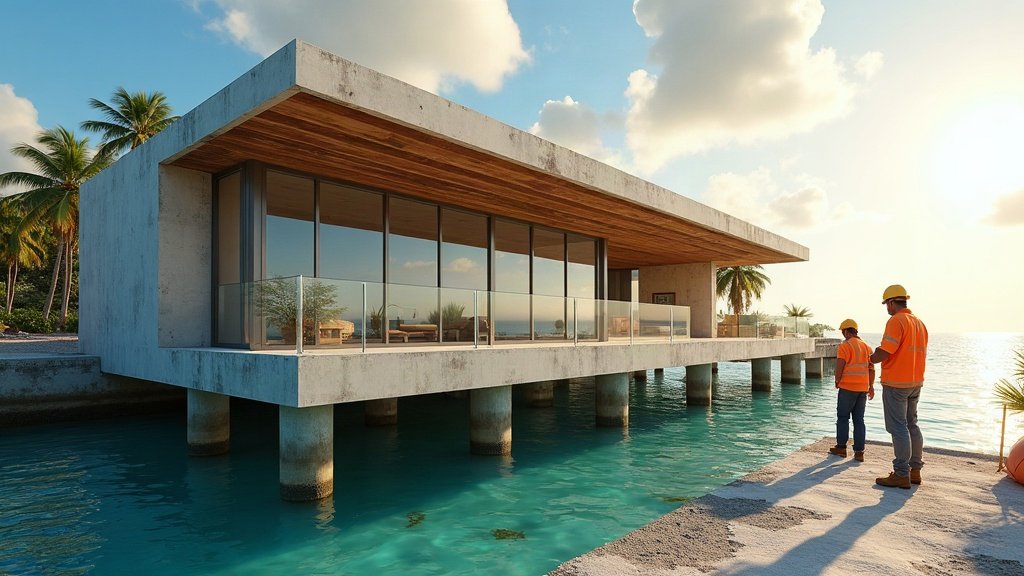
Protecting Waterfront Properties in the Cayman Islands: Storm-Resilient Construction and Maintenance
Waterfront properties command premium valuations in the Cayman Islands, yet they remain among the most vulnerable assets during hurricane season. Storm surge, salt spray, high winds and intense rainfall create a perfect storm of structural threats that can transform a treasured home or investment into a costly liability within hours. For property owners, developers and investors, the financial and emotional toll of storm damage extends far beyond initial repairs—it often involves years of remediation, insurance disputes and diminished property value.
The Cayman Islands’ geographical position in the Atlantic hurricane belt means waterfront properties face exposure to severe weather events with regularity. Beyond the dramatic destruction that makes headlines, waterfront homes endure chronic degradation from salt air corrosion, humidity and moisture infiltration that weaken structural integrity long before a major storm strikes. This cumulative damage, combined with the challenge of sourcing imported materials and managing island logistics, creates a complex maintenance burden that many property owners underestimate.
The good news is that proven resilience strategies exist. By combining storm-resistant construction techniques with proactive maintenance protocols aligned with Cayman Islands Building Code requirements, waterfront property owners can dramatically reduce vulnerability, protect their investment and maintain structural soundness for decades. J&R Construction has guided numerous clients through this journey, and this guide reveals the practical framework every waterfront property owner should understand.
What Storm-Resilient Waterfront Construction Is and Why It Matters in the Cayman Islands
Storm-resilient construction refers to building and reinforcement practices designed to withstand extreme weather events, particularly the high winds, torrential rainfall and storm surge that accompany hurricanes. For waterfront properties in the Cayman Islands, resilience means more than survival—it encompasses structural integrity, material durability and strategic design choices that minimize damage, reduce repair costs and protect occupant safety.
Waterfront locations present unique challenges. Properties sit at the intersection of salt water exposure, elevated wind loads and storm surge risk. Unlike inland homes, waterfront structures experience accelerated corrosion of metal components, deterioration of concrete and wood, and moisture intrusion through gaps and seals. The Cayman Islands Building Code and Planning Department requirements mandate specific standards for coastal construction, but code compliance alone is insufficient without proactive maintenance and strategic upgrades that address the full spectrum of waterfront environmental stressors.
The economic argument for resilience is compelling. A single hurricane can cause damage exceeding hundreds of thousands of dollars. Insurance premiums for waterfront properties already reflect risk exposure; storm damage claims often lead to coverage disputes, deductible applications and policy complications. Conversely, properties demonstrating verifiable resilience measures command better insurance terms, maintain higher resale value and provide owners with genuine peace of mind.
Key Benefits of Storm-Resilient Waterfront Construction
- Reduced structural damage: Wind-resistant framing, hurricane-rated doors and windows, and reinforced roof systems minimize breach points where storm forces enter the home.
- Lower insurance costs: Documented resilience upgrades often qualify for insurance discounts, offsetting capital expenditure over time.
- Faster post-storm recovery: Resilient homes require less remediation, allowing faster occupancy and reduced business interruption for commercial waterfront properties.
- Protection of interior assets: Sealed envelopes and water management systems prevent moisture intrusion that damages furnishings, electronics and structural framing.
- Long-term property value preservation: Waterfront properties with documented resilience upgrades maintain stronger resale appeal and command premium valuations.
- Extended material lifespan: Salt-resistant coatings, corrosion-resistant fasteners and protective systems reduce maintenance frequency and extend service life of structural components.
Best Practices and Standards for Waterfront Construction in the Cayman Islands
- Specify hurricane-rated openings: Install impact-resistant doors, windows and glass systems rated for the wind speeds and debris impact anticipated in your location. Verify compliance with Cayman Islands Building Code standards and ensure proper installation with reinforced frames and fastening systems.
- Elevate critical systems: Position electrical panels, HVAC equipment, plumbing components and other mechanical systems above the anticipated storm surge level. Consult with professional engineers to determine surge elevations for your specific waterfront location.
- Implement comprehensive water management: Install proper drainage systems, sump pumps, moisture barriers and dehumidification in crawl spaces and basements. Ensure gutters, downspouts and grading direct water away from the foundation.
- Use corrosion-resistant materials: Specify stainless steel, galvanized, or epoxy-coated fasteners and hardware. Choose concrete sealers and protective coatings designed for salt air environments, and renew them according to manufacturer recommendations.
- Reinforce roof connections: Verify that roof trusses and rafters are properly anchored to wall plates with rated hurricane ties and fasteners. Have a structural engineer inspect connections in older properties.
- Seal all penetrations: Close gaps around pipes, cables, vents and other building penetrations with marine-grade sealants rated for movement and salt exposure. Inspect and reseal annually.
- Establish a maintenance schedule: Document seasonal inspections, coating renewals, fastener replacement and seal integrity checks. Keep records demonstrating ongoing stewardship to insurance providers and future buyers.
Common Mistakes and How to Avoid Them
- Deferring maintenance until visible damage appears: Waterfront degradation is often hidden beneath surfaces until failure occurs. Adopt a calendar-based maintenance program regardless of visible condition, inspecting roof fasteners, sealants and coatings twice yearly.
- Using standard materials in salt-air environments: Regular steel fasteners, aluminum trim and uncoated hardware corrode rapidly near salt water. Always specify marine-grade or corrosion-resistant alternatives, even if initial cost is higher.
- Neglecting interior moisture management: Many waterfront homes leak during storms through ceiling penetrations, flashing gaps or window seals that appear adequate during calm weather. Verify interior moisture barriers and test them during heavy rain events.
- Assuming insurance will cover storm damage: Policy exclusions, deductibles and coverage limits mean many waterfront property owners face substantial uninsured loss. Invest in resilience to reduce exposure rather than relying on insurance alone.
- Delaying repairs after minor storm events: Each weather event compounds existing damage; a small leak today becomes structural rot within months in the Caribbean climate. Address all storm damage promptly before secondary deterioration accelerates.
- Overlooking contractor qualifications: Waterfront construction and maintenance demand specialized knowledge of salt-air durability, marine materials and Caribbean weather patterns. Engage contractors with demonstrated experience in coastal properties in the Cayman Islands.
Verification Checklist for Waterfront Property Resilience
- Have roof connections and hurricane ties been inspected by a structural engineer within the last three years, with documented compliance to Cayman Islands Building Code standards?
- Are all external fasteners, hardware and trim composed of marine-grade corrosion-resistant materials, with recent photographic documentation?
- Do all windows and doors hold current impact-resistance ratings, and have frames been inspected for seal integrity and proper fastening?
- Is there a documented maintenance schedule in place with photographs or reports from at least two annual inspections completed within the last 12 months?
- Have all building penetrations (pipes, cables, vents, conduits) been sealed with marine-grade sealants, with renewal date recorded?
- Are mechanical systems, electrical panels and critical utilities positioned above anticipated storm surge elevation, with engineering justification on file?
Applications and Use Cases Across Cayman Islands Sectors
- Residential waterfront homes: Owner-occupied beachfront and canal-side properties require resilience upgrades to protect family safety, preserve equity and maintain occupancy during and after hurricane season.
- Vacation rental properties: Investment properties rented to tourists must demonstrate resilience to protect guests, minimize business interruption and sustain rental income during peak season recovery periods.
- Commercial waterfront hospitality: Hotels, resorts and entertainment venues depend on rapid post-storm recovery and operational continuity; resilient design protects revenue and guest confidence.
- Mixed-use waterfront developments: Large projects combining residential, retail and office space require integrated resilience planning across multiple building envelopes and systems to maintain district-level functionality.
- Waterfront investment portfolios: Real estate portfolios with multiple coastal properties benefit from systematic resilience audits and strategic upgrades that enhance portfolio returns and reduce aggregate risk exposure.
How J&R Construction Approaches Waterfront Resilience
J&R Construction has spent years mastering the unique demands of waterfront construction and renovation in the Cayman Islands. We understand that resilience is not a one-time retrofit but an ongoing commitment to material selection, workmanship and strategic maintenance. Our team conducts comprehensive audits of existing waterfront properties, identifying vulnerabilities often invisible to untrained eyes, then develops prioritized upgrade plans that balance immediate risk reduction with long-term value preservation.
Whether you’re constructing a new waterfront home, renovating an existing property or managing a commercial development, J&R Construction brings specialized expertise in marine materials, corrosion prevention, hurricane-resistant design and Cayman Islands Building Code compliance. We partner with property owners to establish maintenance protocols, coordinate seasonal inspections and execute strategic upgrades that keep waterfront assets resilient, beautiful and valuable for generations.
Conclusion
Waterfront property ownership in the Cayman Islands is a privilege and an investment that demands respect for environmental realities. Storm-resilient construction and maintenance are not optional enhancements—they are essential safeguards that protect your family, preserve your asset value and ensure your property survives hurricane season stronger than it entered it. The cost of resilience is far outweighed by the cost of damage and the peace of mind that comes with a truly protected home.
Begin with a professional resilience audit of your waterfront property. Identify critical vulnerabilities, prioritize upgrades aligned with your budget and timeline, and commit to a maintenance schedule that sustains your investment. Contact J&R Construction today to arrange a waterfront property assessment and discover how targeted resilience investments can transform your vulnerability into confidence.
Leave a Reply